Table of Contents
Whether you're insuring a collection, settling an estate, preparing to sell, or just curious what your watch is worth today, you'll eventually need to understand how watch appraisals and valuations work. The process itself is straightforward, but the terminology trips up even experienced collectors. "Replacement value," "fair market value," and "liquidation value" can describe three very different numbers for the exact same watch sitting on the same wrist.
That gap between the highest and lowest number can easily run into thousands of dollars — sometimes tens of thousands on higher-end references. If you're relying on the wrong figure for insurance, tax filing, or a sales negotiation, you're either overpaying premiums, underreporting to the IRS, or leaving money on the table. This guide breaks down each valuation type, explains what drives the number up or down, and walks you through exactly what to expect when you sit across from an appraiser.
Why Appraisals Matter More Than You Think
Most collectors don't think about appraisals until they're ready to sell. That's a mistake. An accurate, up-to-date appraisal is one of the most practical tools in a collector's toolkit, and selling is just one of many reasons you might need one.
Insurance is the most common driver. Standard homeowner's policies cap jewelry coverage at a fraction of what a luxury watch is actually worth. A scheduled personal property rider requires a current appraisal, and if that appraisal is outdated or missing when you file a claim, the insurer has every reason to pay you less than replacement cost.
Estate planning is another. When watches pass through probate, the IRS needs documented fair market values for estate tax calculations. Without a qualified appraisal, the estate either overpays taxes on inflated estimates or invites an audit by underreporting. The same applies in divorce proceedings, where courts require independent valuations for equitable distribution of assets.
Charitable donations add another wrinkle. If you donate a watch valued above $5,000, the IRS requires a qualified appraisal from an independent appraiser. No appraisal, no deduction. And "qualified" has a specific legal definition here — not every jeweler or dealer meets the threshold.
Even if you never plan to sell, donate, or divorce, knowing what your collection is worth is responsible ownership. Markets shift. Models that traded at premiums two years ago may have corrected. Others that sat at retail have climbed. A periodic appraisal keeps you grounded in reality rather than assumption.
The Three Types of Watch Value
This is where most confusion starts. The same watch can carry three legitimate but very different valuations, and each one serves a specific purpose. Using the wrong type in the wrong context is like bringing a screwdriver to a situation that calls for a hammer — the tool doesn't fit the job.
Retail Replacement Value
This is what it would cost to buy a comparable watch from a reputable dealer right now. It's the number your insurance company needs because it reflects the actual cost of replacing the piece if it's lost, stolen, or destroyed. Retail replacement is typically the highest of the three values because it includes the dealer's margin, warranty, and authentication guarantee.
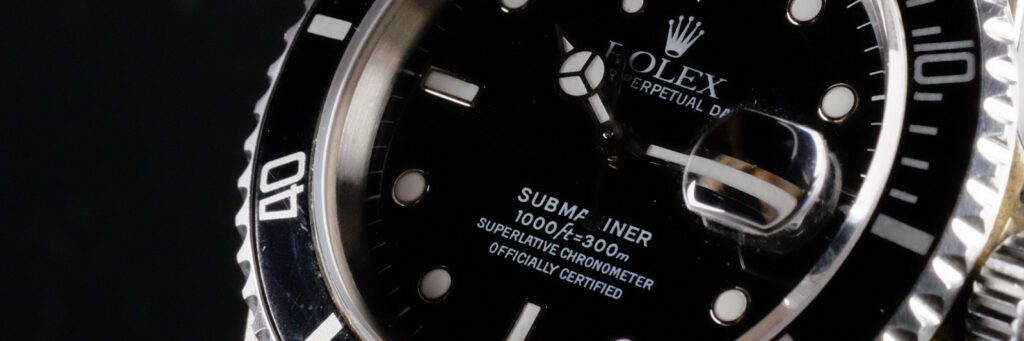
For example, a Rolex Submariner 126610LN might carry a retail replacement value of $14,500. That's the price you'd realistically pay to walk into a trusted dealer and walk out with the same reference in comparable condition.
Fair Market Value
Fair market value is what a willing buyer would pay a willing seller when neither party is under pressure and both have reasonable knowledge of the relevant facts. It's the standard used for estate taxes, charitable donation deductions, and equitable distribution in divorce. It's typically lower than retail replacement because it strips out the dealer markup and accounts for the friction of a private transaction.
That same Submariner 126610LN might carry a fair market value of $12,500. The watch hasn't changed. The context has.
Liquidation Value
Liquidation value is what you'd receive if you needed to sell quickly — pawn shop territory, or a dealer making a cash offer with the understanding that they need room to profit on the resale. This is always the lowest number, and it exists because speed has a cost. When you need cash tomorrow, you don't have the luxury of waiting for the right buyer at the right price.
The Submariner in our example might liquidate at $9,500 to $10,500. That's a meaningful gap from the $14,500 replacement figure, and it's the spread that catches people off guard. Knowing your liquidation floor before you walk into a negotiation prevents you from accepting an unreasonably low offer out of desperation or ignorance.
What Drives the Value of a Luxury Watch
Every appraisal is built on the same set of variables. Understanding them gives you a realistic sense of what determines a watch's worth — and where the biggest swings come from.
Brand and Model
Not all brands hold value equally. Rolex, Patek Philippe, and Audemars Piguet sit at the top of the retention curve. Within those brands, sport models — the Submariner, Daytona, Nautilus, Royal Oak — consistently outperform dress watches on the secondary market. Discontinued references often appreciate as supply freezes and collector demand builds. There's a reason certain Rolex models historically gain value while others depreciate the moment you leave the boutique.
Condition
After brand and model, condition is the single most important factor in any appraisal. Professional graders work on a scale that typically runs from mint or new-old-stock down through excellent, very good, good, and fair. Every notch down the scale costs real money.
The specifics matter. Polish marks on the case, scratches on the crystal, fading or damage on the bezel insert, stretch in the bracelet links, discoloration or spotting on the dial — each one affects the final number. On vintage pieces, original unpolished cases command substantial premiums because polishing removes metal and changes the case geometry in ways that experienced buyers and collectors can spot immediately.
Originality
Factory-original parts versus replacements can swing a valuation by thousands. A vintage Submariner with its original tritium dial, matching hands, and factory bezel insert is worth significantly more than the same reference with service-replacement parts — even when those replacements are genuine Rolex components.
Refinished dials are the most common value killer on vintage pieces. A redial might look cleaner, but to a collector, it erases provenance and authenticity. This is one reason why authentication is such a critical part of any serious appraisal.
Box, Papers, and Provenance
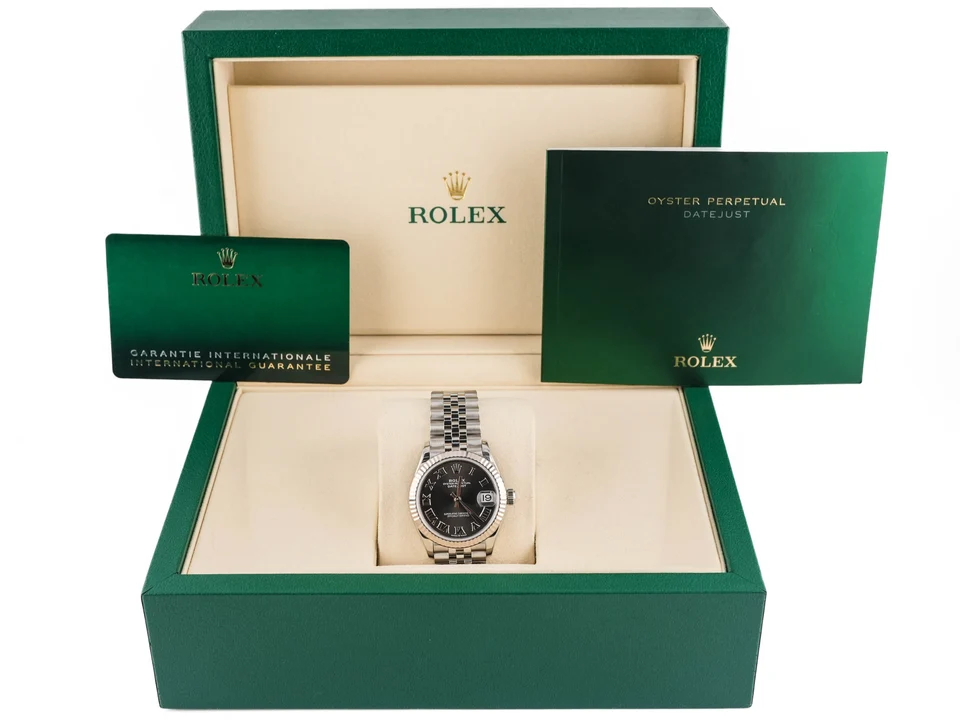
The full set — original box, papers, warranty card, hang tags, and purchase receipt — adds 10 to 20 percent to most modern references. For vintage watches, original paperwork is exponentially more valuable because so few complete sets survive. A 1960s Rolex Daytona with its original guarantee and receipt is a different animal entirely from one sold "watch only."
Provenance is the ultimate value multiplier. A watch with documented ownership by a notable figure, or one that can be traced through a significant historical event, transcends its specifications. But provenance only counts when it's verifiable — stories without documentation are worth nothing at appraisal.
Service History
A recent service by Rolex or an authorized service center adds buyer confidence and can positively affect value. The watch runs well, it's been inspected by trained technicians, and any worn parts have been addressed.
But here's the tension: on vintage watches, a service that replaced original components can actually reduce value. A vintage Submariner that went through Rolex service and came back with a new dial, new hands, and a new bezel insert may run perfectly — but it lost its original parts in the process. The line between "well-maintained" and "over-serviced" is real, and an experienced appraiser knows where to draw it.
Market Timing
Watch values fluctuate, sometimes dramatically. The 2021 to 2022 bubble inflated prices 30 to 50 percent above historical norms on popular references. The subsequent correction brought many models back toward fundamentals, though some — particularly discontinued steel sport watches — have held at elevated levels. Seasonal patterns play a role too: holiday gifting demand pushes secondary market prices up in Q4. Understanding why certain watches hold value helps you interpret your appraisal in the context of broader market cycles. Every appraisal is a snapshot in time, not a permanent verdict.
When You Need a Professional Appraisal
Different situations call for different types of valuations. Here's a quick reference:
| Situation | Value Type Needed | Why |
|---|---|---|
| Insurance coverage | Retail Replacement | Ensures full replacement if lost or stolen |
| Selling your watch | Fair Market | Sets a realistic asking price |
| Estate settlement | Fair Market | Required for probate and tax purposes |
| Divorce or equitable distribution | Fair Market | Court-accepted independent valuation |
| Charitable donation | Fair Market | IRS requires qualified appraisal over $5,000 |
| Quick sale or pawn | Liquidation | Know your floor before negotiating |
| Personal curiosity | Any | Peace of mind and informed ownership |
How a Professional Appraisal Works
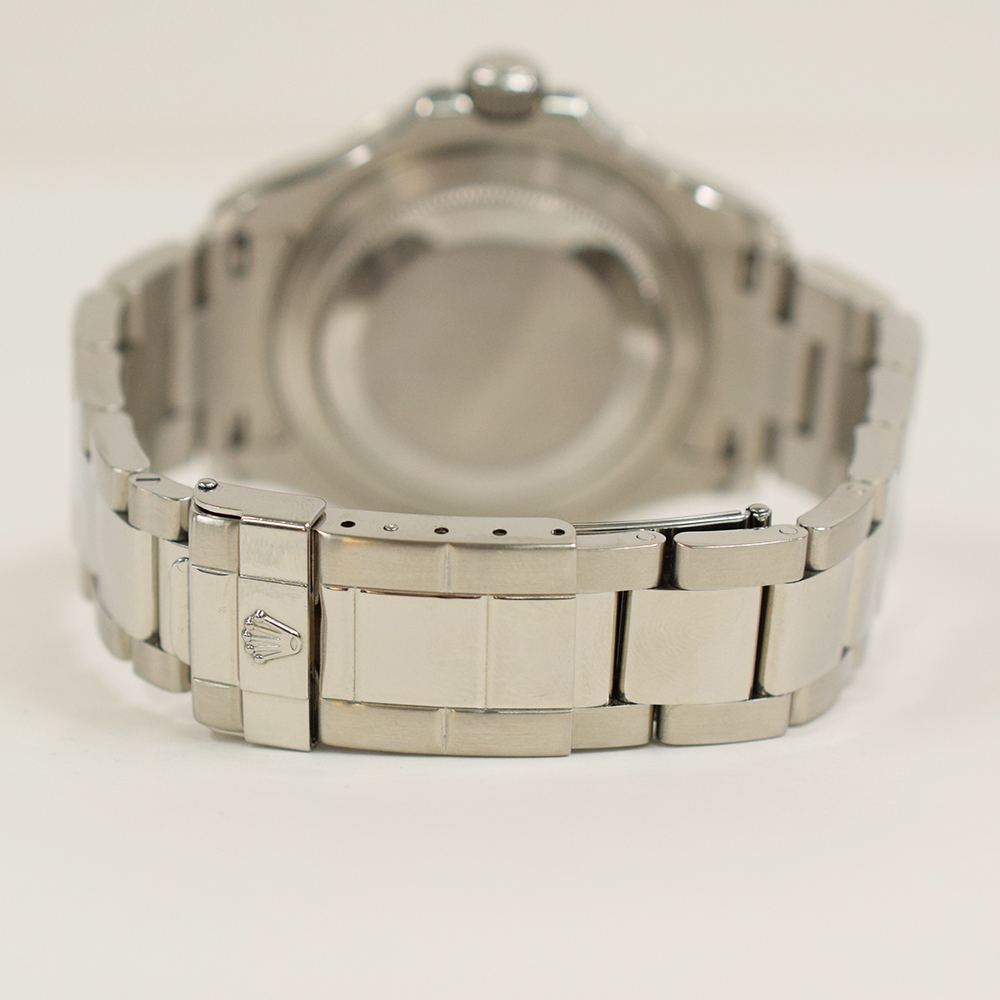
If you've never had a watch appraised, the process is simpler than you might expect. A qualified appraiser examines the watch in person — this is non-negotiable. They verify authenticity by confirming the brand, reference number, serial number, and case-back engravings. They assess condition under magnification, checking the dial, crystal, bezel, case, bracelet, and crown for wear, damage, or replacement parts. They open the case back to inspect the movement, checking its function and accuracy.
From there, the appraiser researches current market comparables. This means reviewing recent auction results, dealer listing prices, and completed sales data from multiple sources to establish where your specific watch sits in the current market. Everything is documented with detailed photographs — the dial, the case sides, the case back, the bracelet, and any notable condition issues.
The examination typically takes 30 to 60 minutes per watch, depending on complexity. A simple modern Rolex with full documentation is faster to evaluate than a vintage piece with no papers and questionable service history. The written appraisal document, which includes all photographs, condition notes, market research, and the appraiser's valuation, is usually delivered within a few business days.
Expect to pay $50 to $150 per watch for a standard appraisal, though some dealers include appraisals with purchase or offer them as part of a broader service relationship. For collections of five or more pieces, many appraisers offer volume pricing. The cost is modest relative to the value it protects — spending $100 on an appraisal to properly insure a $15,000 watch is straightforward math.
Online Valuation Tools vs. Professional Appraisals
Platforms like WatchCharts, Chrono24 pricing data, and eBay completed listings give you a useful ballpark. They're great for understanding market trends, tracking price movements on specific references, and getting a rough sense of value before you walk into a dealer. For casual curiosity, they're often good enough.
But they have real limitations. Online tools can't assess condition, originality, or authenticity — the three factors that create the biggest value swings on any individual watch. An algorithm might tell you a Daytona 116500LN is "worth" $28,000 based on recent averages. A professional appraiser, after examining your specific watch, might value it at $24,000 because of bracelet stretch and a replaced crystal, or at $32,000 because it's a full-set, unworn example with stickers still attached. That $8,000 spread is why professional appraisals exist.
The bottom line: online tools are excellent for education and preliminary research. But when money, insurance coverage, tax liability, or a legal proceeding depends on the number, you need a professional who has examined the actual watch in hand.
How to Prepare for Your Appraisal
Bring everything you have: the watch, box, papers, warranty card, service records, and purchase receipt. If you've lost the box or papers, say so upfront — the appraiser factors the absence into the valuation rather than being surprised by it. If you have multiple documents and accessories to organize, gather them in advance so nothing gets left behind.
Don't polish or clean the watch beforehand. It sounds counterintuitive, but on vintage pieces especially, patina has value. Tropical dials, aged lume plots, and natural case wear tell a story that collectors pay premiums for. Cleaning or polishing before an appraisal can actually erase value rather than add it.
Know what type of appraisal you need before you arrive. Insurance, resale, estate, and donation appraisals each use different valuation standards, and the appraiser needs to know which standard to apply. If you're appraising a Rolex specifically, our Rolex appraisal checklist covers everything you should bring and expect.
Red Flags in Watch Appraisals
Not every appraisal is created equal, and not every person calling themselves an appraiser is qualified. A few warning signs to watch for:
An appraiser who won't put the valuation in writing. A verbal estimate has no legal standing and no practical use for insurance, tax, or estate purposes. If they won't commit to paper, they're not confident in their own number.
Someone who appraises without physically examining the watch. Photographs can hide replaced parts, condition issues, and outright fakes. Any legitimate appraisal requires hands-on inspection under magnification.
Appraisals that don't include photographs. Documentation protects both parties. A written appraisal without supporting photographs is incomplete at best.
Values that seem dramatically above or below market. An inflated appraisal might make you feel good, but it can lead to overpaying on insurance premiums or unrealistic sale expectations. An unusually low appraisal, on the other hand, should raise a different alarm.
An appraiser who offers to buy the watch immediately after appraising it at a low value. That's a textbook conflict of interest. A legitimate appraiser provides an independent valuation — they shouldn't be positioning themselves as the buyer in the same conversation.
One more thing worth noting: appraisals should be updated regularly. Insurance companies typically want updated appraisals every two to three years, and the secondary market can shift enough in that window to make an older appraisal significantly inaccurate. A watch that appraised at $12,000 in 2022 might be worth $9,000 or $16,000 today depending on how the market moved for that specific reference.
Watch Appraisals at WPB Watch Co
At WPB Watch Co, we offer professional appraisals for insurance, estate, resale, and personal knowledge purposes. Every appraisal includes a thorough physical examination, authenticity verification, condition assessment, current market research, and a detailed written report with photographs.
We appraise watches we sold and watches purchased elsewhere. Whether it's a modern Rolex you bought five years ago or a vintage piece inherited from a family member, we provide the same thorough, independent evaluation. Our team has decades of experience in the West Palm Beach pre-owned luxury watch market, and we understand both the local and global factors that drive value.
Ready to get started? Visit our watch appraisal services page to learn more about the process, or contact us directly to schedule an appointment.
You May Also Like
How to Prepare for a Luxury Watch Appraisal
What Determines the Value of a Rolex Watch
Need Help with Sales or Service?