
Table of Contents
You insure your car. You insure your home. You probably even insure your health. But the Rolex on your wrist — the one worth more than your first car — sits in a nightstand drawer with zero coverage. You’re not alone. Most watch collectors put off insurance because they assume it’s complicated, expensive, or unnecessary. The logic goes something like “my homeowner’s policy covers it,” and that assumption is almost always wrong.
The reality is that insuring a luxury watch is straightforward, surprisingly affordable, and takes less time than your last oil change. This guide walks through exactly how watch insurance works, what it costs, who the major providers are, and the documentation you need to have in place before something goes wrong. Because by the time you need insurance, it’s too late to buy it.
Why Your Homeowner’s Policy Probably Isn’t Enough
This is the most common misconception in the watch world, and it costs collectors thousands of dollars every year. Standard homeowners and renters insurance policies include a sublimit for jewelry and watches — typically between $1,500 and $2,500 total. Not per item. Total. A single Submariner blows past that limit before you even open the clasp.
Even if you have a generous policy, the coverage terms often work against you. Many homeowner’s policies cover theft but exclude “mysterious disappearance” — meaning if the watch simply vanishes (you lost it, it slipped off at the beach, it walked away at a dinner party), you’re out of luck. There’s no forced entry, no police report, no payout.
Then there’s the deductible problem. Homeowners’ deductibles typically run $1,000 to $2,500. If your $8,000 watch is stolen and your deductible is $2,000, the net payout barely covers half the replacement cost. And here’s the part nobody mentions until it’s too late: filing a jewelry claim on your homeowner’s policy can increase your premiums for years. You might recover $6,000 on a claim and pay $3,000 in premium increases over the next five years. That math doesn’t work.
What Watch Insurance Actually Covers
Watch insurance falls into two broad categories, and the differences between them matter more than most collectors realize.
Standalone Watch Policies
Dedicated watch and jewelry insurance through specialty providers is purpose-built for collectors. These policies typically cover theft, accidental damage (drops, impacts, crushing), mysterious disappearance, fire, flooding, and natural disasters.
Most standalone policies are “agreed value” — meaning you and the insurer establish the watch’s value upfront, and that’s what you get paid if something happens. No depreciation calculations. No adjuster is trying to lowball you.
For collectors with pieces like a Daytona or a vintage reference that’s appreciated significantly, the agreed-value structure is critical. It means your payout reflects what the watch is actually worth on the open market, not some depreciated book value. Many standalone policies also carry no deductible — the full agreed value is what you receive.
Scheduled Items on Your Homeowner’s Policy
The alternative to standalone insurance is adding your watch as a “scheduled item” or “rider” to your existing homeowner’s or renter’s policy. You’ll provide an appraisal or purchase receipt, your insurer adds the specific watch to your policy, and you pay an additional premium based on its value.
This approach is usually cheaper per dollar of coverage than a standalone policy. But the trade-offs are real. Filing a claim still affects your homeowner’s premium. Coverage terms are often narrower — many scheduled riders exclude mysterious disappearance. And if your homeowner’s policy lapses or changes, your watch coverage goes with it.
What’s Typically Not Covered
No matter which route you choose, there are standard exclusions across most watch insurance policies. Normal wear and tear is never covered — scratched crystals, worn bezels, and faded dials are part of owning a watch. Mechanical failure falls under service and warranty, not insurance.
Cosmetic damage you choose not to repair isn’t claimable. Watches left in checked luggage are excluded by almost every provider. And intentional damage — for obvious reasons — won’t generate a payout.
The Major Watch Insurance Providers
The watch insurance market has matured significantly in the last decade. Here’s how the main options compare.
| Provider | Best For | Deductible | Mysterious Disappearance | Approx. Annual Cost |
|---|---|---|---|---|
| Hodinkee / Chubb | Watch collectors who want a streamlined, watch-specific experience | None on most plans | Yes | 1–2% of insured value |
| Jewelers Mutual | Collectors who want a dedicated jewelry insurer with long track record | No-deductible options | Yes | 1–2% of insured value |
| Chubb Personal Lines | High-net-worth collectors with $100K+ collections | Varies by plan | Yes | 0.5–1.5% of insured value |
| State Farm / Allstate (rider) | Budget-conscious owners insuring 1–2 watches | $0–$500 typical | Often excluded | 0.5–1% of insured value |
Hodinkee Insurance (now integrated into Chubb’s collector network) was built specifically for watch enthusiasts. The quoting process is online, coverage is worldwide, and most plans carry zero deductible. If you own one to five watches and want as little friction as possible, this is the place to start.
Jewelers Mutual has been insuring jewelry since 1913. Their watch-specific policies offer repair-or-replace coverage, and they understand the difference between a ref. 16610 and a ref. 126610. No-deductible options are available, and their claims process is well-regarded among collectors.
Chubb Personal Lines makes the most sense for collectors with substantial collections. If you’re insuring $100,000 or more in watches and other valuables, Chubb’s bundled approach — watches, art, wine, jewelry under one umbrella — is efficient and cost-effective.
Scheduled riders through State Farm, Allstate, or similar national carriers are the budget option. You add your watch to your existing homeowner’s policy, pay a modest additional premium, and get basic coverage. The premiums are lower, but the coverage terms are typically narrower, and the mysterious disappearance exclusion is common.
What It Actually Costs
Here’s the number everyone wants: expect to pay roughly 1% to 2% of your watch’s insured value per year. That’s it. A $10,000 Submariner costs about $100 to $200 per year to insure. A $25,000 Daytona runs $250 to $500 annually. For the price of a dinner out, your watch is protected against virtually every risk short of an act of war.
Collections get volume discounts — insuring five watches together is proportionally cheaper than insuring each one separately. Your rate also varies by geography (collectors in New York and Miami pay more than those in smaller cities), security measures (a home safe and alarm system can lower premiums), and whether you regularly travel internationally with the watch.
The cost argument against insurance falls apart quickly when you do the math. A collector who wears a $15,000 watch daily for five years without insurance is essentially gambling $15,000 to save $750 to $1,500 in total premiums. Those aren’t good odds, especially for something that holds its value the way luxury watches do.
How the Appraisal Process Works
Most insurers require either a professional appraisal or a recent purchase receipt to establish the agreed value of your watch. If you bought the watch from an authorized dealer or a reputable pre-owned dealer like WPB Watch Co, your purchase invoice typically satisfies this requirement for the first year or two.
After that, or if you acquired the watch privately, you’ll need a formal appraisal. The key distinction here is between replacement value and fair market value. Insurance appraisals should reflect replacement value — what it would cost to buy a comparable watch on the open market today. This number is typically higher than fair market value (what a dealer would pay you for the watch), and it’s the number you want on your insurance appraisal.
Appraisals should be updated every two to three years. Watch values move, sometimes dramatically. The Rolex market saw 30–50% price increases on certain references between 2020 and 2022, followed by corrections. If your appraisal is five years old, your coverage may be significantly below the watch’s actual value. Understanding what drives a watch’s value helps you stay ahead of these shifts.
Getting Your Watch Appraised for Insurance
A qualified watch appraiser evaluates several factors to arrive at a replacement value. They’ll examine the brand, model, reference number, and serial number. They’ll assess condition — including the crystal, bezel, dial, case, and bracelet. The presence of original box, papers, warranty card, and service history all affect value. And they’ll compare against current market data to determine what a buyer would actually pay for a comparable piece. If you’ve never been through the process, our appraisal preparation guide walks you through exactly what to bring and what to expect.
One important note on appraisal types: “retail replacement value” (used for insurance) will be higher than “fair market value” (used for estate or resale purposes). When you’re getting an appraisal specifically for insurance, make sure the appraiser knows that. You want the higher number — it’s what would actually cost to replace the watch from a reputable source if something happened to it.
Documentation Every Collector Should Keep
Good documentation is the difference between a smooth insurance claim and a drawn-out dispute. Every watch in your collection should have a file — physical, digital, or both — that includes the following:
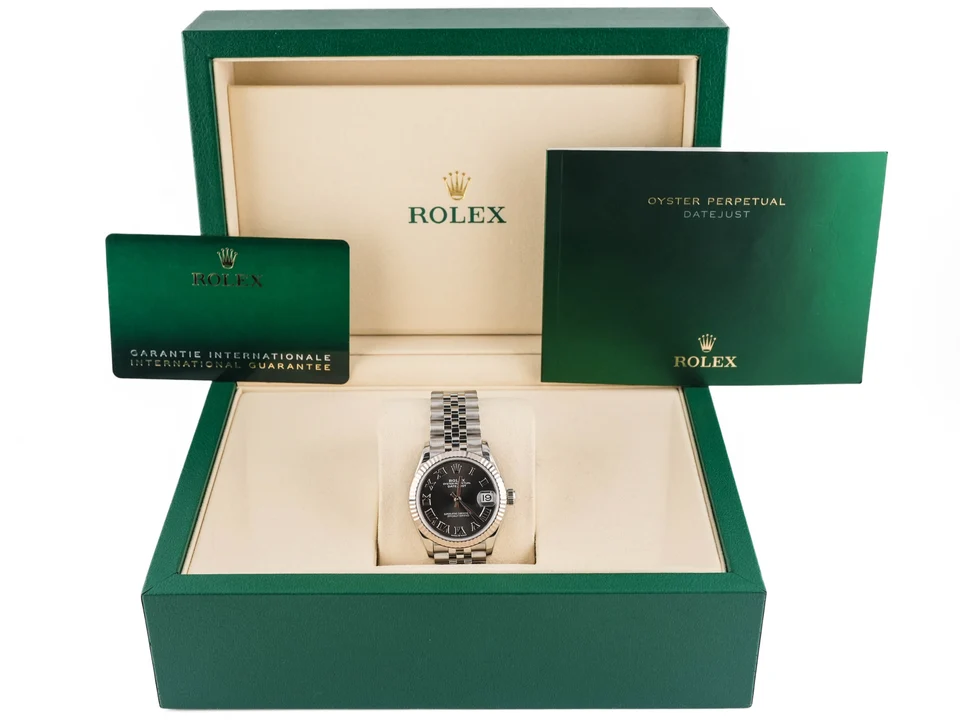
Purchase receipt or invoice showing the seller, date, price, and watch details. Appraisal certificate from a qualified appraiser, updated every two to three years. Serial number and reference number recorded in a location separate from the watch itself.
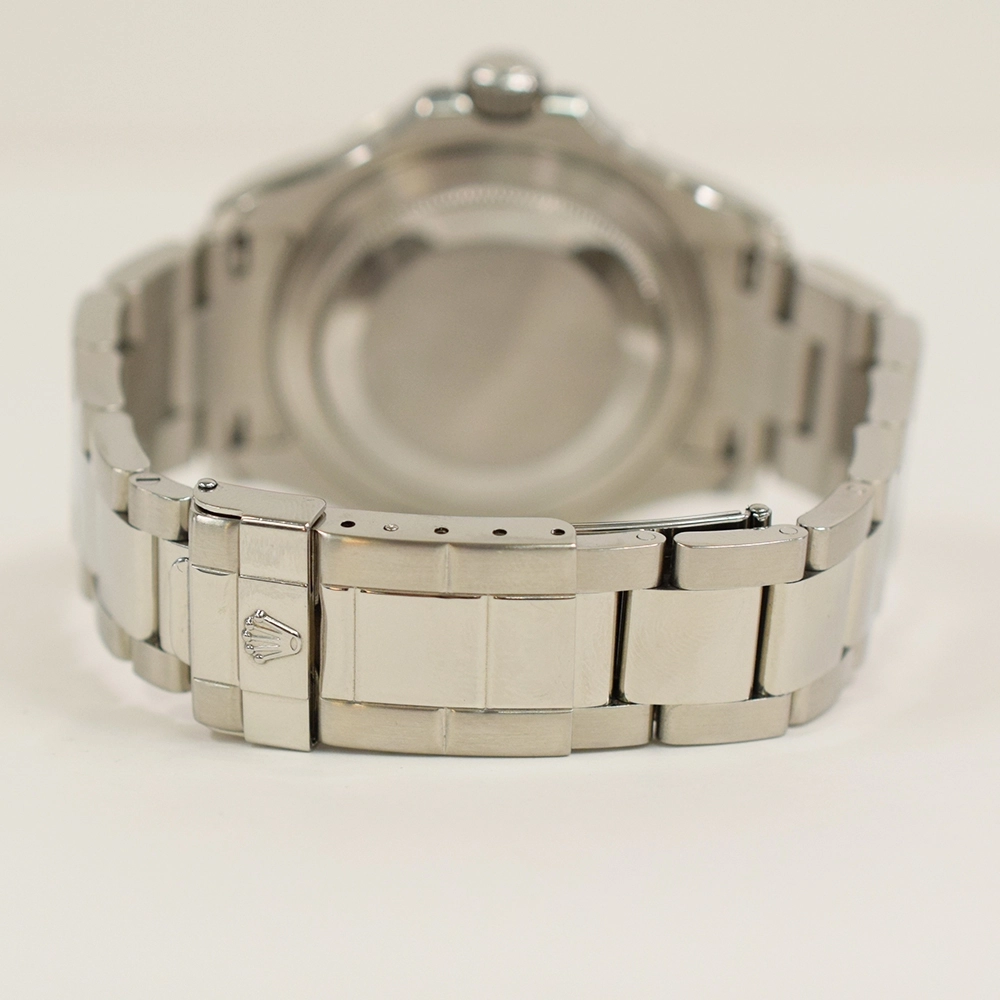
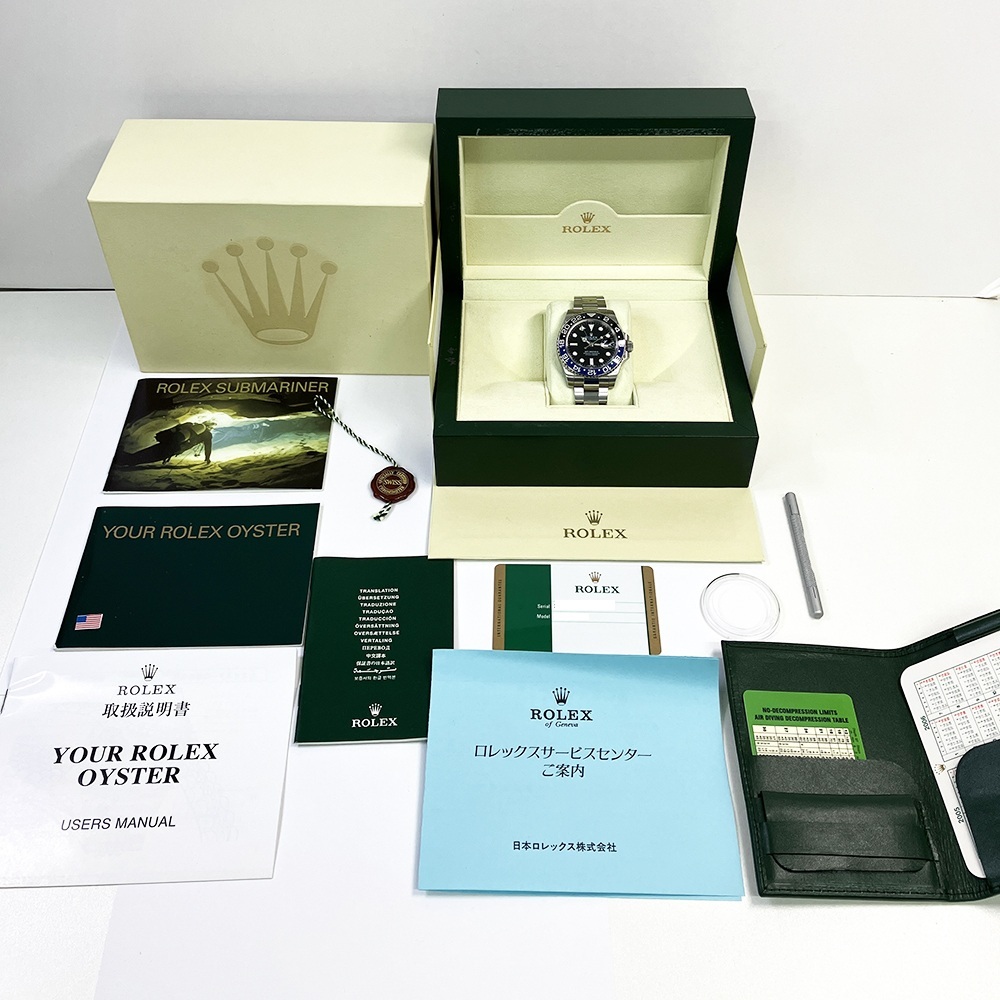
High-resolution photographs of the dial, caseback, bracelet, clasp, and any distinguishing marks or imperfections. Service records documenting when the watch was last serviced and by whom. Documentation of the box, papers, warranty card, and any accessories — even if they’re not stored with the watch, their existence should be recorded.
Keep digital copies of everything in cloud storage. If your home is burglarized, the paper documentation in the same drawer as the watch doesn’t help. A scanned copy of your appraisal in Google Drive or Dropbox is accessible from anywhere and proves what you owned when the physical evidence is gone.
Filing a Claim and What to Expect
Nobody buys insurance hoping to use it, but when the moment arrives, knowing the process saves time and reduces stress.
If a watch is stolen, file a police report first. Every insurer requires one, and delays in reporting can complicate your claim. Contact your insurance provider within 24 to 48 hours of the loss or damage. Provide your documentation — appraisal, photographs, serial number, police report if applicable. This is where the documentation discipline pays off.
With an agreed-value policy, the claims process is relatively straightforward. The insurer pays the agreed amount. There’s no negotiation, no adjuster trying to depreciate your watch, no back-and-forth over comparable sales. Some replacement-value policies may offer you a replacement watch instead of a cash payout — make sure you understand your policy’s terms before you need to use them.
Typical claim timelines run two to six weeks for straightforward cases. Complex claims — high-value pieces, disputed circumstances, international losses — can take longer. Having complete documentation shortens the process significantly.
Common Mistakes That Leave Watches Unprotected
After years of working with collectors, certain patterns come up again and again. These are the mistakes that cost people the most.
Assuming homeowner’s insurance covers the full value. It almost certainly doesn’t. Check your policy’s scheduled personal property sublimit — the number will probably surprise you.
Not updating appraisals as values change. The Submariner you insured at $14,000 in 2019 might be worth $18,000 to $20,000 today. If your coverage hasn’t moved with the market, you’re underinsured.
Insuring at purchase price instead of current market value. If you bought a watch three years ago and its value has appreciated, your insurance should reflect what it’s worth now, not what you paid.
Not disclosing modifications or aftermarket parts. If your watch has been modified — aftermarket dial, custom bezel, non-original bracelet — your insurer needs to know. Undisclosed modifications can void a claim.
Failing to document the collection. Serial numbers, photographs, appraisals — without them, you’re asking your insurer to take your word for what you owned and what it was worth. That’s a harder conversation than it needs to be.
Waiting until after a loss to get coverage. Insurance is priced for risk, not for certainty. Once a watch is gone, it’s gone. The time to insure is the day you take ownership.
WPB Watch Co Can Help
At WPB Watch Co, every watch we sell ships with detailed documentation — serial numbers, condition reports, high-resolution photographs, and a clear description of what’s included. That package gives you a head start on the insurance process from day one.
If you need a formal appraisal for insurance purposes, we offer professional watch appraisal services conducted by experienced horologists who understand both the technical and market dimensions of luxury timepieces. We also provide authentication services to verify the originality and condition of any piece in your collection.
And if the worst happens and you need to replace a watch, we can help source an equivalent piece through our inventory and dealer network. Whether you’re buying, selling or trading, or simply need documentation for an existing piece, we’re here to help.
You May Also Like
How to Prepare for a Luxury Watch Appraisal
Need Help with Sales or Service?