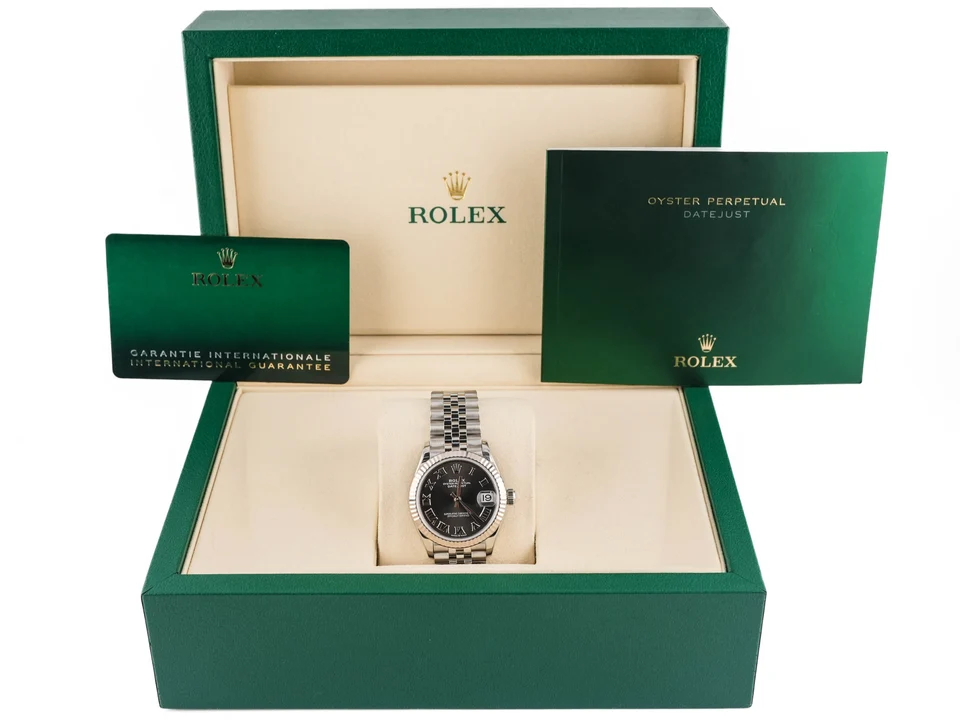
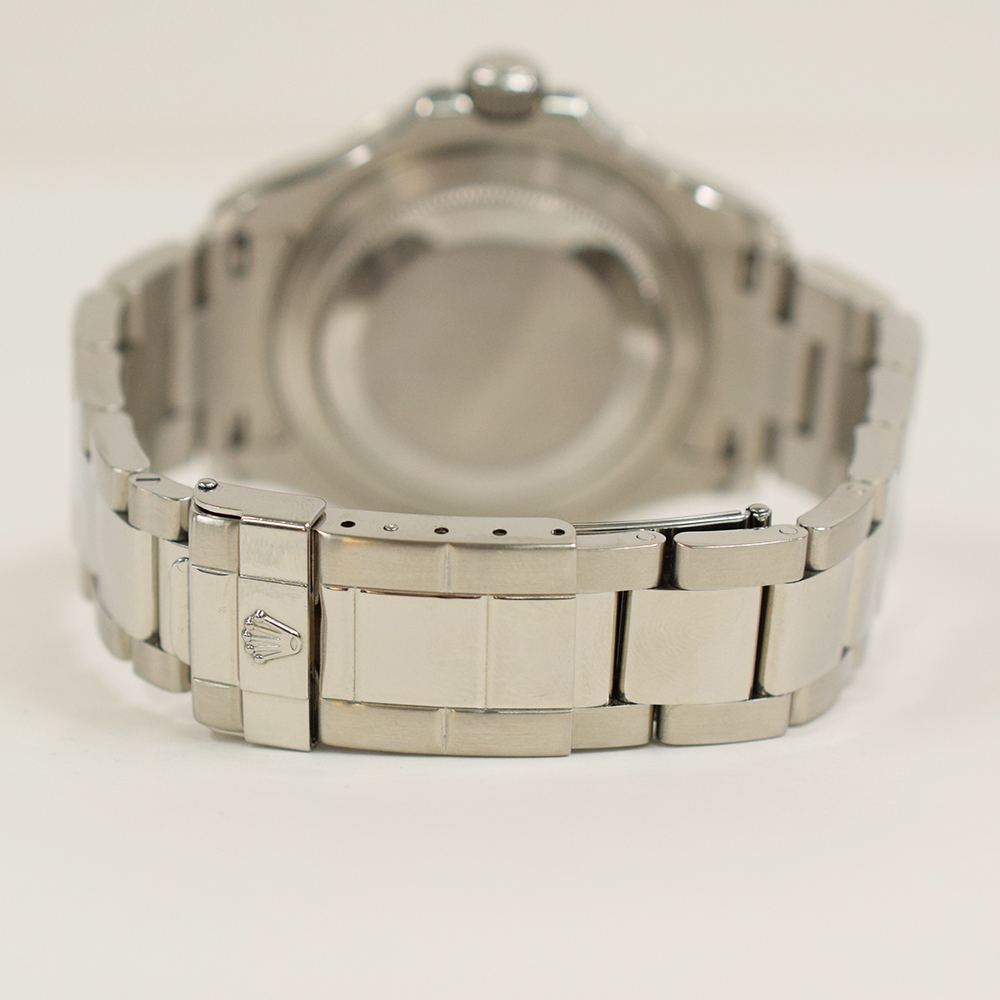
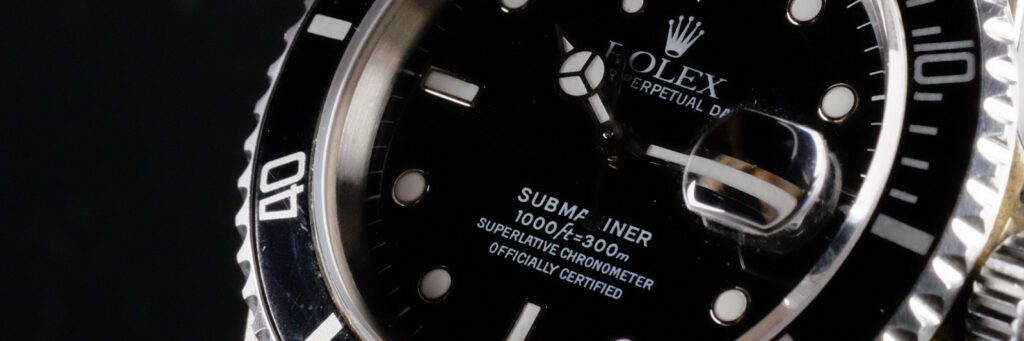
Few watches carry the instant recognition of a Rolex GMT-Master II with a red-and-blue “Pepsi” bezel. Originally designed in the 1950s for Pan Am pilots who needed to track multiple time zones, the GMT-Master has evolved from a professional tool into one of the most coveted luxury sports watches in the world. Whether you call it the Pepsi, the Batman, or the Coke, the GMT-Master II lineup offers something for every collector and first-time buyer alike.
This guide covers everything you need to know before purchasing a pre-owned Rolex GMT-Master or GMT-Master II — from the history behind each iconic bezel to the specific reference numbers, movements, and price ranges you should understand before making a decision. If you’re new to buying pre-owned Rolex, our first-time buyer’s guide is a great place to start.
A Brief History of the Rolex GMT-Master
Rolex introduced the original GMT-Master (Ref. 6542) in 1955 as a purpose-built tool for international aviators. The defining feature was a rotating 24-hour bezel paired with an additional GMT hand, allowing pilots to read a second time zone at a glance. Pan American World Airways co-developed the specification, and the watch quickly became standard-issue equipment for their flight crews.
The GMT-Master I remained in production through several reference updates — the 1675, the 16750, and the 16700 — each refining the movement, case, and bezel materials. In 1982, Rolex introduced the GMT-Master II (Ref. 16760, often called the “Fat Lady”) with a key upgrade: an independently adjustable local-hour hand, making it possible to track three time zones simultaneously.
The modern era of the GMT-Master II arrived in 2005 with the ceramic Cerachrom bezel (Ref. 116710), replacing the older aluminum bezel inserts with virtually scratch-proof ceramic. And in 2018, Rolex reignited collector mania by releasing the first ceramic Pepsi bezel on a stainless steel Oyster bracelet (Ref. 126710BLRO), creating one of the most sought-after modern production watches in history. For context on how Rolex movements have evolved across all models, see our dedicated movement history guide.
Understanding the Bezel Nicknames – Pepsi, Batman, Coke & More
GMT-Master watches are almost always referred to by their bezel color nicknames rather than reference numbers in collector circles. Here’s what each one means and why it matters.
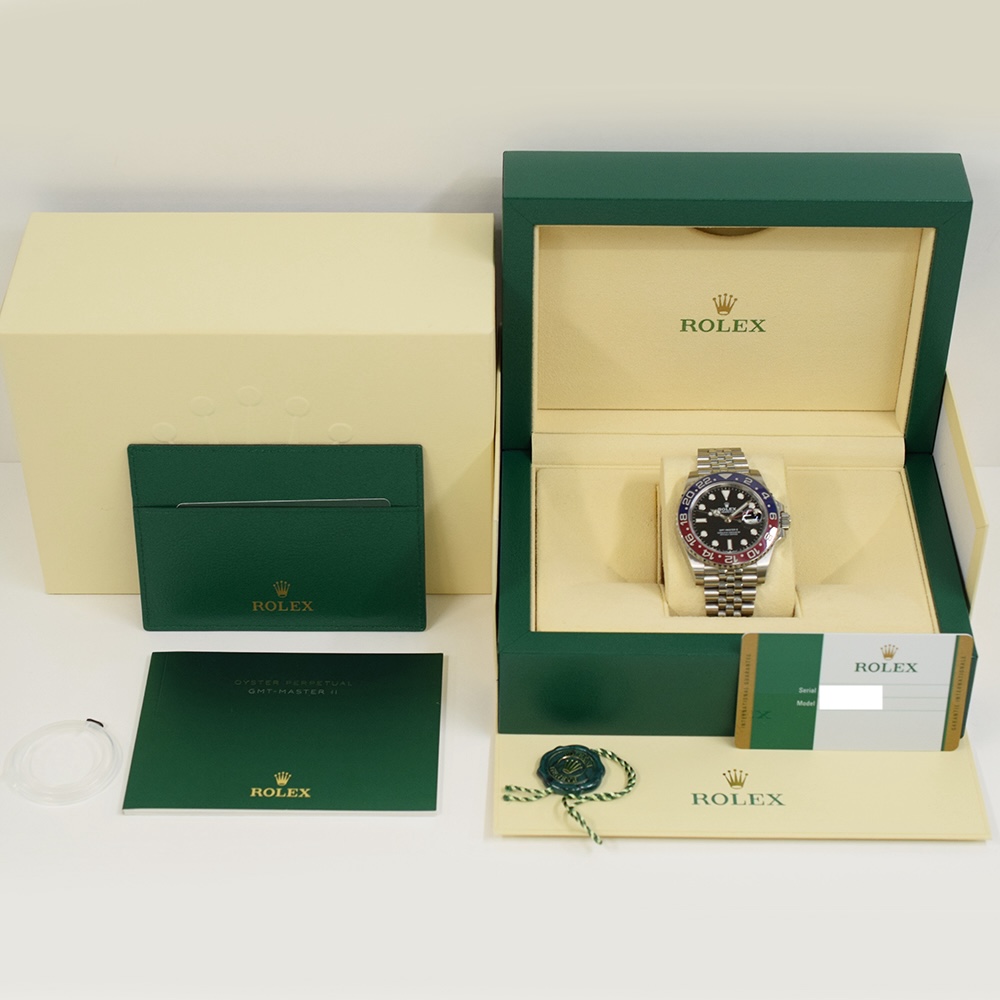
The Pepsi (Blue & Red)
The most iconic GMT-Master configuration. The blue-and-red bezel mirrors the Pepsi logo’s color scheme, and this nickname has been used by collectors since at least the 1980s. The Pepsi bezel appeared on vintage references like the 1675 and 16710, disappeared from the stainless steel lineup for years, and returned triumphantly on the ceramic Ref. 126710BLRO in 2018. That return sent the secondary market into a frenzy that hasn’t fully cooled.
The Batman (Blue & Black)
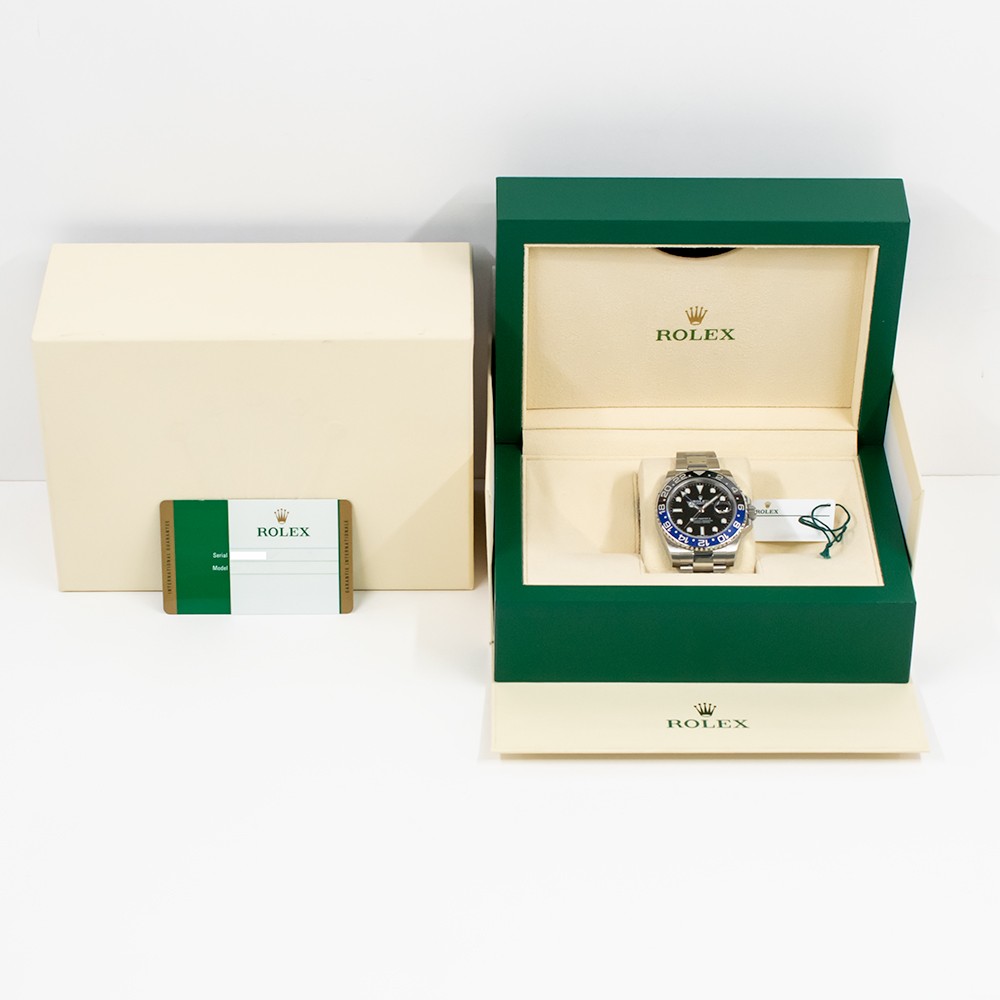
Introduced in 2013 as the Ref. 116710BLNR, the blue-and-black ceramic bezel was Rolex’s first two-tone Cerachrom insert. Collectors nicknamed it the “Batman” for its dark, brooding color scheme. The Batman was updated to Ref. 126710BLNR in 2019 with the newer Calibre 3285 movement and a Jubilee bracelet. It remains one of the most popular modern GMT-Master II variants.
The Coke (Black & Red)
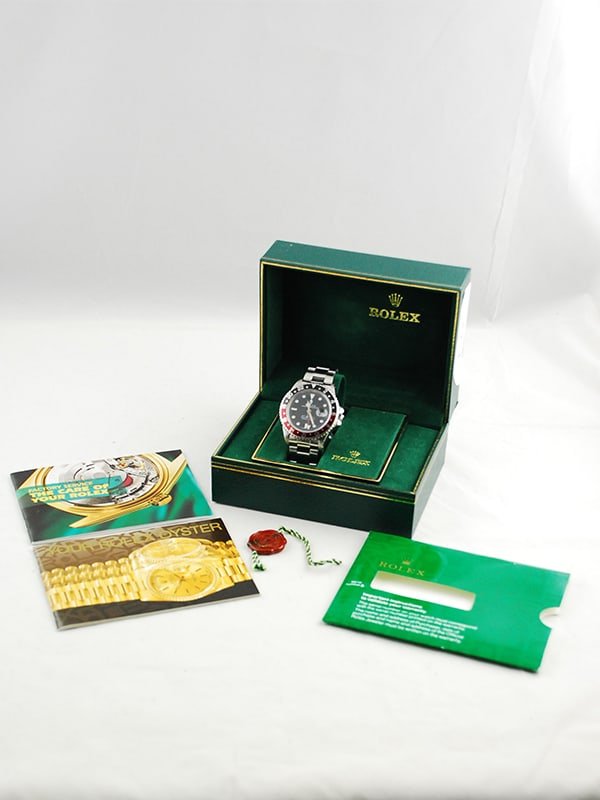
The black-and-red bezel combination appeared on vintage references like the 16710, earning the “Coke” nickname. While Rolex has not released a modern ceramic Coke variant as of early 2026, vintage Coke-bezel GMT-Masters remain highly collectible, and any future Rolex release of a ceramic Coke would be an immediate market event.
Other Notable Variants
The “Root Beer” features a brown-and-gold bezel, typically paired with two-tone or full gold cases (Ref. 126711CHNR in Everose Rolesor). The “Sprite” is the green-and-black bezel introduced on the Ref. 126720VTNR in 2022, notable for being the first GMT-Master with a left-hand crown configuration. Both have developed passionate followings.
Key Reference Numbers at a Glance
Understanding reference numbers is essential when shopping for a pre-owned GMT-Master. Here are the most important references you’ll encounter, organized by era.
Vintage GMT-Master (Aluminum Bezel)
| Reference | Years | Bezel | Movement | Notes |
| 6542 | 1955–1959 | Pepsi | Cal. 1036 | Original GMT. Bakelite bezel. |
| 1675 | 1959–1980 | Pepsi / Coke | Cal. 1565 / 1575 | Crown guards added. Longest run. |
| 16750 | 1981–1988 | Pepsi / Coke | Cal. 3075 | Quickset date. Sapphire crystal. |
| 16700 | 1988–1999 | Pepsi / Coke / Black | Cal. 3175 | Last aluminum GMT-Master I. |
| 16710 | 1989–2007 | Pepsi / Coke / Black | Cal. 3185 / 3186 | GMT-Master II. Last aluminum. |
Modern GMT-Master II (Ceramic Cerachrom Bezel)
| Reference | Years | Bezel | Movement | Notes |
| 116710LN | 2007–2019 | Black | Cal. 3186 | First ceramic GMT-Master II. |
| 116710BLNR | 2013–2019 | Batman | Cal. 3186 | First two-tone Cerachrom. |
| 126710BLRO | 2018–present | Pepsi | Cal. 3285 | Ceramic Pepsi returns. Jubilee. |
| 126710BLNR | 2019–present | Batman | Cal. 3285 | Updated Batman. Jubilee/Oyster. |
| 126711CHNR | 2018–present | Root Beer | Cal. 3285 | Everose Rolesor (two-tone). |
| 126720VTNR | 2022–present | Sprite | Cal. 3285 | Left-hand crown. Green/black. |
Movements and What Powers Each Generation
The movement inside a GMT-Master directly affects its functionality, accuracy, and service costs. Here’s what matters at each tier.
Calibre 3185 / 3186 (1989–2019): These movements power the 16710 and 116710 series. The 3186 introduced a Parachrom hairspring for improved shock resistance and magnetic protection. Both are mature, well-understood movements that any qualified Rolex watchmaker can service. Expect 5–7 year service intervals.
Calibre 3285 (2018–present): Rolex’s latest-generation GMT movement with a 70-hour power reserve (up from ~48 hours), Chronergy escapement, and paramagnetic blue Parachrom hairspring. Found in all 126xxx references. This movement represents a significant technical leap, though it’s newer and service parts availability from independent watchmakers may be more limited. Authorized Rolex service is recommended.
Pre-Owned Price Ranges (Early 2026)
Pre-owned GMT-Master pricing varies widely depending on reference, condition, and whether the watch comes with box and papers. These ranges reflect the secondary market as of Q1 2026 and are intended as general guidance — specific examples in our inventory may differ based on condition and provenance.
| Category | Reference(s) | Price Range | Key Factors |
| Vintage Pepsi | 1675, 16750 | $12,000–$25,000+ | Faded bezels command premiums. Box/papers critical. |
| Late Vintage | 16710 (aluminum) | $11,000–$18,000 | Pepsi & Coke bezels. Last aluminum generation. |
| Ceramic Black | 116710LN | $10,000–$14,000 | Often best value in the ceramic lineup. |
| Ceramic Batman | 116710BLNR | $13,000–$17,000 | Discontinued. Prices firming as supply dries up. |
| Ceramic Pepsi | 126710BLRO | $16,000–$22,000 | Most sought-after modern reference. |
| Sprite (LHD) | 126720VTNR | $15,000–$19,000 | Left-hand crown. Growing collector interest. |
| Root Beer | 126711CHNR | $16,000–$20,000 | Two-tone Everose gold. Unique aesthetic. |
What to Look for When Buying a Pre-Owned GMT-Master II
Buying any pre-owned luxury watch requires due diligence, but the GMT-Master’s popularity makes it a frequent target for counterfeiters and franken-watch builders. For a deep dive on authentication, see our guide to spotting a fake Rolex. Here’s what to evaluate specifically on a GMT-Master.
Bezel Condition
On vintage aluminum-bezel models, the bezel insert is the most scrutinized element. Original faded bezels — particularly those that have developed desirable color transitions (“ghost” bezels) — can add thousands to the value. Replacement bezels significantly reduce collectibility. On ceramic models, the bezel is virtually scratch-proof, so heavy wear marks on a Cerachrom bezel may indicate a problem.
Box, Papers & Service History
Complete sets (original box, warranty card/papers, hang tags) command a 15–25% premium over watch-only examples, particularly on modern references. For vintage pieces, original punched papers are rare and valuable. A documented service history from Rolex or a certified independent watchmaker adds confidence. If you’re preparing for a formal valuation, our luxury watch appraisal checklist covers everything you need.
Movement Authenticity
“Franken-watches” — timepieces assembled from parts across different references — are a real concern in the GMT-Master market. A 16710 case with a 16700 movement, or a replacement dial on a vintage 1675, may look correct at first glance but will be caught by a qualified watchmaker during professional authentication. This is exactly why buying from a trusted dealer with in-house watchmaking expertise matters.
Bracelet Stretch & Authenticity
Vintage Oyster and Jubilee bracelets develop stretch over decades of wear. Moderate stretch is normal and expected on a 30–40 year-old watch, but excessive looseness can affect wearability and value. Check that the bracelet clasp codes match the era of the watch. For help determining correct link counts and bracelet sizing, see our dedicated reference guide.
Aluminum vs. Ceramic Bezel – Which Is Right for You?
This is one of the most common questions from first-time GMT-Master buyers, and the answer depends on what you value most.
Choose aluminum (vintage) if: you’re drawn to the romance of vintage Rolex, you appreciate how patina and aging make each piece unique, and you’re comfortable with the slightly thinner vintage case proportions. Vintage GMTs have a warmth and character that modern references can’t replicate. They’re also generally more affordable at entry level, though exceptional examples can exceed modern pricing.
Choose ceramic (modern) if: you want a daily-wear tool that shrugs off scratches, you prefer the precision of modern Rolex finishing, and the 70-hour power reserve of the Calibre 3285 matters to your lifestyle. Ceramic bezels will look the same in 20 years as they do today — which is either a pro or a con, depending on your perspective.
Why Buy a Pre-Owned GMT-Master II from WPB Watch Co
The GMT-Master II’s popularity means the secondary market is flooded with options — but not all of them are trustworthy. At WPB Watch Co, every GMT-Master in our inventory has been authenticated by our in-house experts, inspected for originality, and photographed in detail so you know exactly what you’re getting.
We carry a rotating selection of both vintage and modern GMT-Master references across all bezel configurations. Whether you’re looking for a birth-year 1675 Pepsi, a discontinued 116710BLNR Batman, or the latest ceramic Pepsi on Jubilee, our team can help you find the right piece at the right price. Browse our current Rolex GMT-Master II inventory or contact us to discuss what you’re looking for. We ship nationwide with full insurance, and every purchase is backed by our authentication guarantee.
Looking at other Rolex sport models? See our guides to the Rolex Submariner, the Rolex Daytona, and the Rolex Sea-Dweller. If you’re considering selling or trading your current watch, visit our sell your watch page for a free quote.