Table of Contents
You just bought a watch rated for 200 meters of water resistance. That means you can dive 200 meters deep, right? Not exactly. If you believed that, you have fallen for one of the most common water resistance myths that watch owners face.
The truth about what those numbers actually mean might surprise you—and could save your expensive timepiece from serious water damage.
Water resistance ratings confuse even experienced watch enthusiasts. Manufacturers use terms like “water resistant,” “waterproof,” and specific depth ratings that don’t always mean what they seem. Add in factors like temperature changes, aging gaskets, and normal wear, and you have a recipe for misunderstanding that can lead to costly repairs.
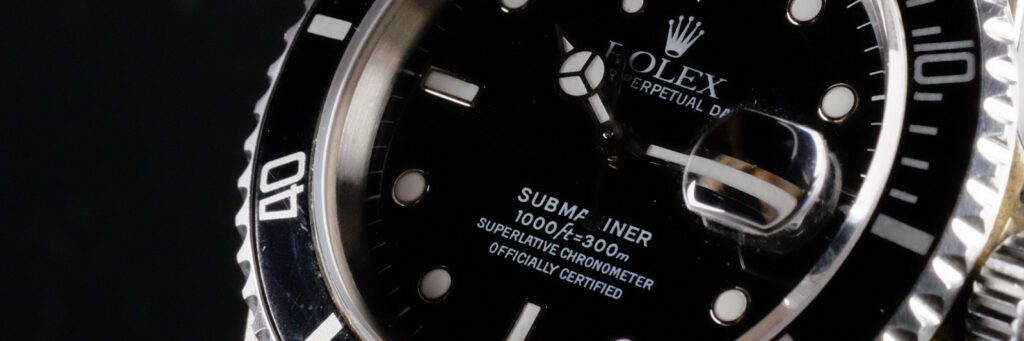
Living in South Florida, where beach days and water activities are part of the lifestyle, understanding your watch’s real capabilities matters more than ever. Whether you own a Rolex Submariner, an Omega Seamaster, or any other dive watch, knowing the facts helps you enjoy your timepiece worry-free.
The Biggest Water Resistance Myths Exposed
Let’s start with the most dangerous myth: no watch is truly waterproof forever. Manufacturers stopped using the term “waterproof” decades ago because it is misleading. Every watch has limits that change over time as seals age and components wear. What is sold as “water resistant” today might not maintain that resistance years from now without proper maintenance.
- The Depth Rating Myth: A watch rated for 30 meters doesn’t mean you can dive to 30 meters. These ratings refer to static pressure testing in a lab. Real-world use involves temperature shifts and chemical exposure (like chlorine or salt) that stress gaskets differently than a static lab test.
- The Shower Myth: Many owners believe their watch is safe for swimming because it survived a shower. This is false. While water pressure is a factor, the real enemies in a shower are heat and soap. Hot water expands metal cases and rubber gaskets at different rates, compromising the seal. Meanwhile, soap and shampoo lower the surface tension of water, allowing it to slip past gaskets that would otherwise block plain water.
- The Crown Myth: Some people think that as long as the crown is pushed in, their watch is protected. However, many dive watches require the crown to be screwed down tightly to engage the seals. If you forget to secure it properly, even a 300-meter-rated watch will leak instantly.
Understanding What Ratings Really Mean
Water resistance ratings follow specific standards, but understanding what they actually allow requires translation. Here is a quick guide to what your watch can actually handle:
- 30 Meters (3 ATM): Splash-resistant only. You can wash your hands or get caught in the rain, but swimming is risky. These watches are designed for incidental contact, not immersion.
- 50 Meters (5 ATM): Suitable for light swimming in shallow water. However, they are generally not recommended for snorkeling, water sports, or diving.
- 100 Meters (10 ATM): Suitable for recreational swimming and snorkeling. Most people who swim regularly should look for at least this level of resistance.
- 200 Meters (20 ATM): This is the entry point for true dive watches. These watches usually meet ISO standards, featuring screw-down crowns and reinforced cases. They can handle professional water activities but still require maintenance.+1
- 300 Meters+ (30 ATM): Professional diving instruments. Brands like Rolex and Omega build these for saturation diving and extreme pressure. Yet, even these tanks need fresh gaskets to stay sealed.+1
How to Test Your Dive Watch Water Resistance
Never attempt to test dive watch capabilities yourself by submerging it to see what happens. If your watch fails the test, you have just caused expensive water damage that could have been prevented.
The dry pressure test is the gold standard for verification. Professional watchmakers use specialized equipment that simulates underwater pressure without actually submerging your watch.
Professional pressure testing involves:
- Visual Inspection: Checking seals, gaskets, and the crystal for obvious wear.
- Dry Pressure Testing: Using air pressure to detect leaks without risking water entry.
- Vacuum Testing: Detecting even tiny leaks that high pressure might temporarily seal shut.
Warning signs that your watch needs testing include:
- Condensation or fogging under the crystal (a major red flag).
- The watch is more than three years old and hasn’t been tested.
- You have had the battery changed recently (opening the case breaks the factory seal).
- The crown feels loose or gritty when screwing it down.
Maintaining Water Resistance Over Time
Water resistance isn’t permanent—it requires maintenance. Gaskets are made of rubber or nylon, and they dry out and crack over time, just like tires on a car. Most manufacturers recommend replacing gaskets every 2 to 3 years, regardless of use.
Quick Maintenance Tips:
- Rinse with Fresh Water: Salt and chlorine are corrosive. Always rinse your dive watch with fresh water after the ocean or pool.
- Check the Crown: Ensure the crown is screwed down before you get wet.
- Don’t Trust the Age: Even if a watch was “New Old Stock” and sat in a box for 10 years, the gaskets are likely dried out and unsafe.
Your Trusted Partner for Watch Testing
Understanding water resistance protects your investment and lets you enjoy the Florida water with confidence. At WPB Watch Co., we bring honesty, integrity, and transparent service to every interaction. We understand the challenges posed by our local climate to luxury timepieces.
Don’t wait until you see fog under the crystal to discover your seals have failed. Contact WPB Watch Co. today at 561-220-9107 or visit us in West Palm Beach to schedule professional water-resistance testing. Our expert team is ready to ensure your timepiece maintains the protection it needs.
Need Help with Sales or Service?