Table of Contents
Verifying a vintage watch’s authenticity requires understanding details that most buyers overlook. Unlike modern watches with comprehensive documentation and traceable histories, vintage timepieces from the 1950s-1980s often lack papers. They have likely been serviced multiple times and show decades of wear that can hide both authenticity clues and clever forgeries.
The vintage watch market has exploded in recent years, attracting sophisticated counterfeiters who study every detail of authentic pieces to create convincing fakes. Understanding watch hallmarks, natural aging patterns, and subtle authenticity clues separates genuine vintage treasures from expensive counterfeits.
Whether you’re considering a vintage Rolex Submariner, Omega Speedmaster, or Patek Philippe Calatrava, knowing what to look for will help protect your investment. Vintage watch verification combines detective work with technical expertise, examining everything from case hallmarks to dial patina to movement finishing. Let’s explore the key elements experts use to authenticate vintage watches and help you understand what makes these timepieces genuinely special, not just skillfully faked.
Understanding Watch Hallmarks and Case Markings
Hallmarks and case markings provide crucial authentication evidence that counterfeiters often get wrong, making them essential starting points for vintage watch verification.
- Precious Metal Hallmarks: Gold and platinum cases bear purity marks that vary by country and era. Swiss watches show marks like “18K” or “0.750,” while British watches display assay office stamps from London, Birmingham, or Edinburgh, including date letters that pinpoint the production year. These official hallmarks are struck with precise depth and clarity that fake marks rarely match.
- Reference and Serial Numbers: Case backs often contain reference and serial numbers, as well as manufacturer markings specific to each brand and era. Rolex typically places model reference numbers between the lugs rather than on the smooth case back, Omega uses detailed engravings with era-specific fonts and layouts, and Patek Philippe cases bear the Geneva Seal with specific patterns that fakes cannot properly replicate.
- Quality of Marking Matters: Genuine hallmarks are struck cleanly with consistent depth, whereas fake hallmarks often appear shallow, slightly blurry, or mispositioned. Reference numbers should match the watch’s supposed model and era – mismatches indicate either “frankenwatches” assembled from mixed parts or outright fakes.
Verification Requires Study: Learning to read and verify hallmarks requires reference materials, databases, and often magnification. However, this knowledge provides robust authentication evidence when combined with other verification methods.
Natural Aging Signs on Vintage Watches
Understanding how watches naturally age over decades helps distinguish genuine vintage pieces from artificially aged counterfeits attempting to appear authentic.
- Dial aging, often called patina, occurs naturally over time through exposure to light, humidity, and temperature changes. Genuine tropical dials (those that have turned brown) show even color changes across the entire dial surface, though variations can occur. The patina should look natural rather than deliberately created, with consistent aging patterns that match the watch’s claimed age and storage conditions.
- Lume aging provides another crucial clue. Vintage watches used radium or tritium luminous material that changes color over decades, typically turning from cream to yellow to orange-brown. This aging should be consistent across all lume plots on the dial and the hands. Mismatched lume colors between dial and hands, or artificially aged lume that looks painted on, indicate restoration or fakery. Some counterfeiters apply fake patina to new dials, but this artificial aging rarely matches the subtle, natural patterns of genuine, decades-old lume.
- Case and bracelet wear tell stories about how watches were actually used. Genuine vintage watches show wear patterns consistent with decades of use – scratches in logical places, worn edges where the case contacts surfaces, and bracelet stretch on older pieces. However, excessive wear that seems inconsistent with the watch’s supposed condition, or strategic distressing in unusual locations, suggests artificial aging to make a newer watch appear vintage.
- The crystal condition also reveals clues to age. Vintage watches with original acrylic crystals show fine scratches and possible crazing (tiny stress cracks) from decades of wear. Perfect crystals on supposedly unrestored vintage pieces raise questions, while heavily damaged crystals might indicate neglect or suggest the watch isn’t as valuable as claimed.
How to Authenticate Vintage Rolex Watches
Vintage Rolex authentication deserves special attention, given both the brand’s collectability and the sophistication of modern fakes targeting this market.
- Serial and Reference Numbers: Rolex serial numbers appear between the lugs at the 12 o’clock position (requiring bracelet removal to see) and indicate the production year. Reference numbers at the 6 o’clock position identify the specific model. These numbers should match Rolex’s known production data, use the correct font and engraving depth, and align with the watch’s other features. Fake Rolex watches often use incorrect serial formats, wrong production year ranges, or poorly engraved numbers.
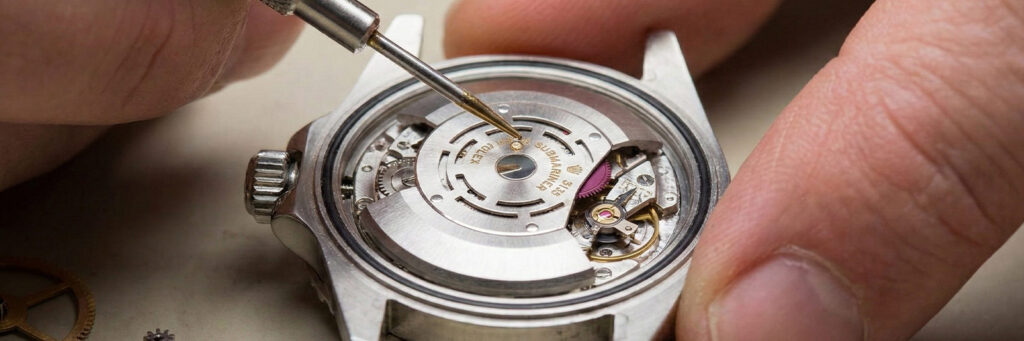
- Movement Authenticity: Opening the case reveals the movement, which should match the correct caliber for that model and era. Genuine Rolex movements exhibit exceptional finishing, the correct number of jewels, a proper rotor design, and specific markings that vary by period. Counterfeiters use cheaper movements that might look similar but lack the precise finishing and accurate details of authentic Rolex calibers.
- Dial Details Matter Most: Vintage Rolex dials contain numerous authentication points, including correct fonts, proper spacing between text, accurate coronet (crown logo) shape and position, and appropriate dial markings for the era. Even minor font differences, incorrect “Swiss Made” positioning, or incorrect dial color variants indicate fakes or refinished dials, which destroy collectability and value.
- Crown and Gasket System: Rolex Oyster cases feature specific crown threading, tube construction, and gasket systems that changed over the decades. The crown should show proper Rolex logo depth and detail, screw down smoothly with the correct resistance, and demonstrate the engineering quality Rolex is known for, rather than rough threading or a loose fit, which are standard in fakes.
Why Professional Vintage Watch Verification Matters
The vintage watch market poses unique authentication challenges, making professional verification essential for buyers. Unlike modern watches, which are authenticated by documentation, warranty cards, and authorized dealer networks, vintage watches often lack original papers and have passed through multiple owners over decades. Components may have been replaced during service, dials refinished, or parts swapped between watches, creating “frankenwatch” combinations that appear authentic to untrained eyes but destroy collectible value.
Professional authenticators combine years of experience examining thousands of watches with reference libraries, databases of known authentic examples, and specialized equipment for detailed inspection. They understand subtle production variations, legitimate service replacements versus incorrect parts, and the countless small details that separate genuine vintage watches from convincing fakes.
The cost of professional vintage watch verification ($200-500 depending on complexity) seems minimal compared to the $5,000-$50,000+ prices that rare vintage watches command. Making an uninformed purchase based on seller claims or your own amateur inspection can result in a complete loss of your investment.
Protect Your Vintage Watch Investment With Expert Verification
Vintage watches represent both horological history and significant financial investments that deserve professional authentication before purchase. Understanding hallmarks, aging patterns, and brand-specific details helps you spot obvious red flags, but comprehensive verification requires expertise that takes years to develop.
Considering a vintage watch purchase or need authentication for a piece you own? Contact WPB Watch Co today at 561-220-9107 for professional vintage watch verification services in West Palm Beach, Florida. Our dedicated team brings the expertise, integrity, and transparent service that vintage watch authentication demands. We understand these timepieces represent more than accessories – they’re pieces of history and significant investments that deserve honest, expert evaluation.
Need Help with Sales or Service?