Table of Contents
Which Models Are Worth More in 2026
The debate between vintage and modern Rolex values has never been more interesting than it is right now. If you’re considering selling your Rolex or simply curious about its value, understanding how age affects it is crucial. The simple answer might surprise you – there’s no blanket rule that vintage always beats modern or vice versa. The reality of Rolex appraisals in 2026 is far more nuanced, with certain vintage pieces commanding astronomical prices while specific modern models hold exceptional value due to scarcity and demand.
Whether you inherited a 1960s Submariner or purchased a current-production Daytona, knowing what drives your watch’s value helps you make informed decisions. The vintage vs modern Rolex appraisal landscape has shifted dramatically over the past few years, with market trends, collector preferences, and availability all playing vital roles. Let’s explore what really determines whether your vintage or modern Rolex is worth more and what factors appraisers consider when evaluating your timepiece.
What Defines Vintage vs Modern Rolex Watches
Understanding the distinction between vintage and modern Rolex watches is the first step in comprehending their value differences. The watch-collecting community generally considers Rolex watches manufactured before the late 1980s or early 1990s as vintage, though some collectors push this date even later.
Vintage Rolex watches feature certain characteristics that set them apart. They typically have acrylic crystals rather than sapphire, use tritium or radium lume instead of modern Chromalight or Super-LumiNova, and showcase design elements that have since been updated or discontinued. Many vintage pieces also have smaller case sizes, different dial configurations, and movement technologies that modern innovations have superseded.
Modern Rolex watches, generally from the 2000s onward, benefit from advanced materials and technology. They feature ceramic bezels, improved water resistance, more robust movements with longer power reserves, and scratch-resistant sapphire crystals. These watches also come with comprehensive warranties and complete documentation that vintage pieces rarely possess.
Key Factors That Determine Vintage Rolex Value
Several critical factors influence the value of a vintage Rolex in today’s market. Understanding these elements helps explain why some vintage pieces sell for millions while others command more modest prices.
- Original Condition and Originality: The most valuable vintage Rolex watches retain all original parts, including dial, hands, bezel, and crown. Replaced components or refinished dials can reduce value by 30-70%, depending on the model and rarity.
- Rarity and Historical Significance: Limited production runs, discontinued references, and watches with interesting backstories command premium prices. Models like the Paul Newman Daytona or early Submariner references with unique dial variations can be worth substantially more than common vintage pieces.
- Documentation and Provenance: Original boxes, papers, receipts, and service records significantly increase the value of vintage Rolex watches. A watch with complete documentation often commands 20-40% more than the same model without papers.
- Patina and Originality vs. Restoration: Collectors value natural aging and patina on vintage dials and hands, even when they affect legibility. A perfectly preserved or tastefully aged vintage Rolex typically outperforms heavily restored examples.
These value drivers work together to determine a vintage Rolex’s worth, with originality and documentation being especially critical to collectors. Now that you understand what makes vintage pieces valuable, let’s examine how modern Rolex appraisal differs and what drives contemporary market values.
Modern Rolex Appraisal – What Drives Current Market Values
Modern Rolex watches have their own value drivers that can make them just as valuable or even more valuable than their vintage counterparts in some instances. The current market for modern Rolex pieces reflects unique dynamics that didn’t exist in previous decades.
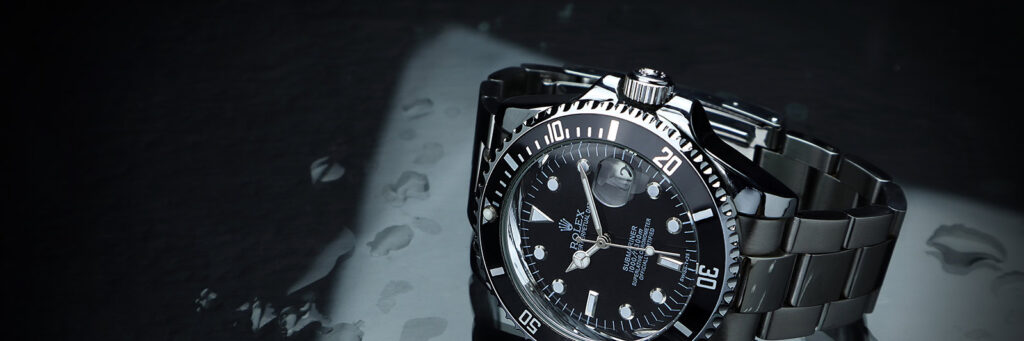
The scarcity of popular modern models has created unprecedented demand. Sports models like the stainless steel Daytona, Submariner Date, and GMT-Master II often sell for 50-100% above retail on the secondary market due to years-long waiting lists at authorized dealers. This artificial scarcity has made certain modern pieces immediate investment watches.
Modern Rolex watches also benefit from complete documentation, active warranties, and known service histories. Unlike vintage pieces, where provenance can be questionable, modern Rolex watches typically come with full boxes, papers, and purchase documentation that provide assurance of authenticity and add value.
The materials and technology in modern Rolex watches appeal to buyers who want luxury combined with durability. Ceramic bezels that don’t fade, improved movements with greater accuracy and power reserve, and superior water resistance make modern pieces attractive for both wear and investment.
Vintage vs Modern Rolex Appraisal – The 2026 Market Reality
When comparing vintage vs modern Rolex appraisals in 2026, the market shows interesting trends that defy simple categorization.
- Rare Vintage Sports Models: Specific pieces like Submariners, Daytonas, and GMT-Masters from the 1950s-1970s consistently command six-figure prices and continue appreciating. These watches benefit from extreme rarity, historical significance, and strong collector demand.
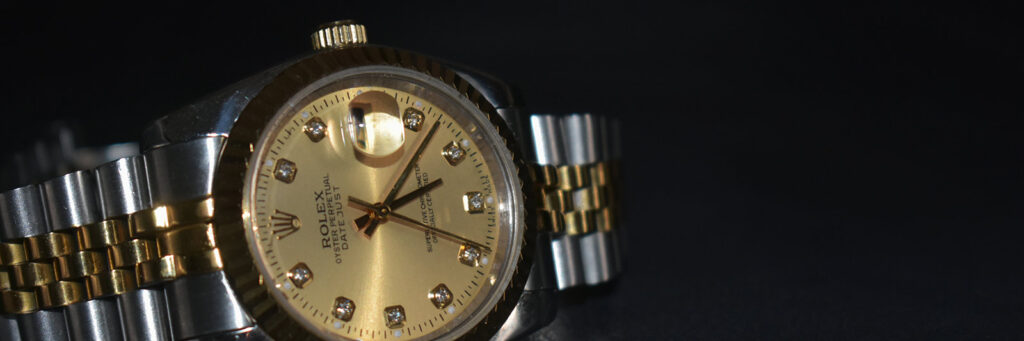
- Common Vintage Models: Standard Datejusts or Oyster Perpetuals from the 1970s-1980s often appraise at lower values than their modern equivalents. These watches lack the rarity factor and may require expensive servicing due to aging movements and worn components.
- Modern Sports Models: Highly sought-after stainless steel pieces like the Submariner or Daytona frequently appraise above retail, making them exceptional value. A contemporary example purchased at retail in 2020 might be worth significantly more today than what the buyer paid.
- Neo-Vintage Sweet Spot: Rolex watches from the 1990s-2010s combine modern reliability and features with the beginning of collectibility. These pieces often represent excellent value in the vintage vs modern Rolex appraisal equation.
The market’s complexity means that age alone doesn’t determine value – specific models, condition, and documentation matter far more than mere age or newness. Understanding these nuances helps set realistic appraisal expectations for your particular Rolex.
How Rolex Age vs Value Works in Practice
The relationship between Rolex age and value isn’t linear. A 60-year-old Rolex isn’t automatically more valuable than a 5-year-old one. Instead, value depends on the specific model, condition, rarity, and current market demand for that particular reference.
Certain older references have become less desirable as newer technology makes them seem outdated. Meanwhile, some modern limited editions or discontinued references immediately gain value due to scarcity and demand. Understanding these market dynamics requires expertise and current market knowledge that professional appraisers provide.
Condition matters more than age in many cases. A perfectly maintained modern Rolex in mint condition with full documentation might appraise higher than a similar-era vintage piece with replaced parts, wear, and no papers. The vintage vs modern Rolex appraisal process must account for overall desirability, not just age alone.
Getting an Accurate Appraisal for Your Rolex
Whether you own a vintage or modern Rolex, getting a professional appraisal provides the accurate information you need. Professional appraisers examine every detail, including serial numbers, movement condition, originality of components, and current market trends for your specific reference.
The appraisal process should be transparent and thorough. A quality appraiser explains what makes your particular watch valuable (or not), provides comparable recent sales data, and gives you realistic expectations for your timepiece’s worth. They also identify any issues that might affect value, such as service needs, replaced components, or concerns about authenticity.
Discover Your Rolex’s True Value with Expert Appraisal
Understanding whether your vintage or modern Rolex is worth more requires professional expertise and current market knowledge. The vintage vs. modern Rolex appraisal landscape is constantly changing, with market trends shifting in response to collector preferences, scarcity, and economic factors. What’s valuable today might change tomorrow, making current, accurate appraisals essential for any Rolex owner considering a sale or simply wanting to know their watch’s worth.
Ready to discover your Rolex’s actual value? Contact WPB Watch Co today at 561-220-9107 for a professional, transparent appraisal from our expert team in West Palm Beach, Florida. We understand that your luxury timepiece represents both a financial investment and personal significance.
Our commitment to honesty, integrity, and transparency ensures you receive an accurate assessment based on current market conditions and your specific watch’s characteristics. Whether you’re considering selling or simply curious about the value of your Rolex, we provide the expertise and same-day service that sets us apart. Don’t settle for uncertain valuations – reach out today and experience the professional appraisal service your valuable timepiece deserves.
Not always. While rare vintage Rolex sports models from the 1950s-1970s can command six-figure prices, many common vintage models appraise for less than modern equivalents. Value depends on rarity, condition, originality, and current market demand rather than age alone.
Vintage Rolex value is determined by original condition, rarity, historical significance, complete documentation, and natural patina. Original parts and unrestored dials are especially important, as replaced components can reduce value by 30-70%.
Popular modern Rolex sports models like the stainless steel Daytona and Submariner often sell above retail due to artificial scarcity and years-long waiting lists at authorized dealers. High demand and limited availability drive secondary market prices up significantly.
Neo-vintage Rolex watches from the 1990s-2010s often represent excellent value, combining modern reliability with emerging collectibility. However, the best investment depends on specific models, condition, and individual market dynamics.
Need Help with Sales or Service?