
Getting your luxury watch appraised can feel intimidating, especially when you’re hoping for a strong valuation that reflects your timepiece’s true worth. The difference between a thorough, well-prepared appraisal and a rushed evaluation can mean thousands of dollars in your final valuation.
Many watch owners don’t realize that how you prepare for a watch appraisal significantly impacts the appraiser’s ability to provide an accurate, comprehensive assessment. Missing documentation, incomplete service records, or even something as simple as a dirty watch can lead to lower valuations or delayed appraisals, costing you time and money.
Professional appraisers evaluate dozens of factors when determining your luxury watch’s value, from obvious elements like brand and model to subtle details such as the watch’s originality, service history, and overall condition.
Taking time to prepare properly maximizes your appraisal value by ensuring the appraiser has all the information needed to justify the highest possible valuation. Whether you’re selling your watch, insuring it, or simply curious about its current market value, these luxury watch appraisal tips help you get the most accurate and favorable assessment possible.
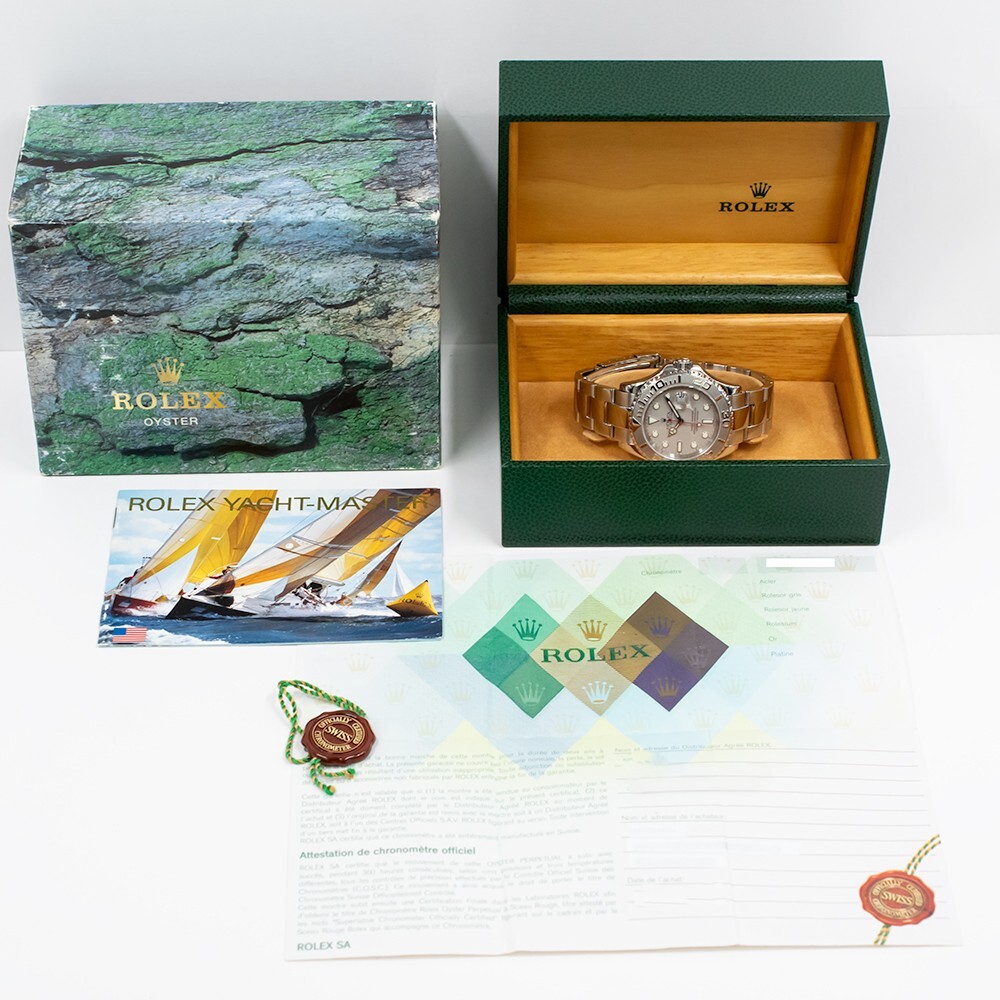
Essential Documents for Watch Appraisal
Having the proper documentation ready before your appraisal demonstrates ownership, proves authenticity, and can significantly increase your watch’s valuation.
- Original Box and Papers: The warranty card (sometimes called papers or a certificate) with matching serial numbers proves authenticity and adds 10-30% to the value of most luxury watches. The original box, while less critical than papers, still adds value and demonstrates careful ownership. Together, a complete set (watch, box, and papers) commands premium prices in the resale market.
- Purchase Receipt or Invoice: Original purchase documentation establishes provenance and proves the watch’s legitimate history. This receipt verifies when and where you bought the watch, which matters for warranty coverage and helps establish an authentic chain of ownership that some buyers demand.
- Service Records and Receipts: A complete service history from authorized service centers or reputable watchmakers demonstrates proper maintenance and care. These records prove the watch has been professionally maintained, identify any replacement parts, and demonstrate that you’ve invested in keeping the timepiece in excellent condition.
- Appraisal History: Previous appraisals provide baseline valuations and document the watch’s condition at specific points in time. While past appraisals don’t determine current value, they offer valid reference points and show the watch’s value trajectory.
Having these documents organized and ready saves time during your appraisal and enables the appraiser to provide a more comprehensive, accurate valuation. If you’re missing some documentation, don’t worry – many valuable watches lack complete papers – but gather whatever you do have.
Physical Preparation Steps to Maximize Watch Appraisal Value
How you physically present your watch affects both the appraiser’s evaluation and the final valuation you receive.
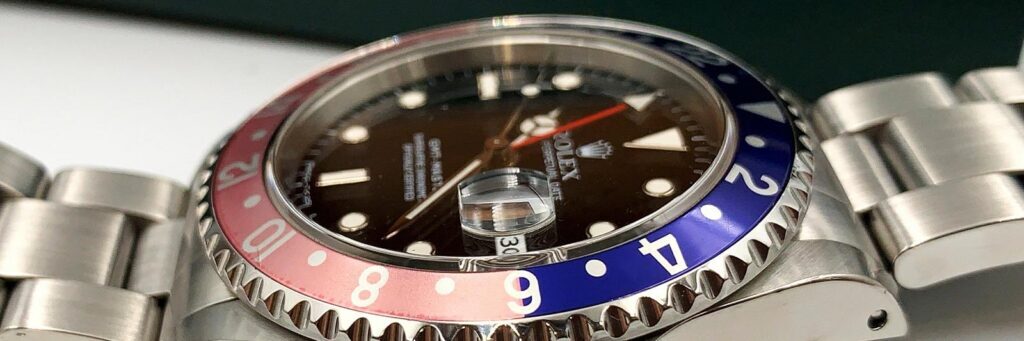
Before your appraisal, gently clean your watch using a soft, lint-free microfiber cloth to remove fingerprints, dust, and oils. A clean watch photographs better for appraisal documentation and allows the appraiser to clearly see the dial, case condition, and crystal without obstruction. However, never attempt deep cleaning, polishing, or repairs yourself – these can damage your watch and reduce its value if done improperly.
Ensure your watch is running, whether mechanical or quartz, with a fresh battery. A non-running watch raises questions about potential movement issues that can significantly reduce its value. If your watch isn’t running and you’re unsure why, mention this upfront so the appraiser can account for potential service needs in their valuation.
Bring any accessories that came with your watch, including extra links, tools, manuals, or certificates of authenticity for special editions. These items add value and completeness to your watch’s presentation. Even small items like spring bar tools or sizing tools that initially came with the watch contribute to a complete package that commands higher valuations.
Don’t attempt any repairs or modifications before your appraisal. Questionable repairs, incorrect replacement parts, or amateur modifications typically reduce value rather than increase it. If your watch has issues, let the professional appraiser assess them in their current state and advise on whether repairs would increase or decrease overall value.
Information to Provide During Your Appraisal
Being prepared to answer specific questions helps your appraiser provide the most accurate valuation possible.
- Purchase History Details: When and where you bought the watch, what you paid (if comfortable sharing), and whether it was new or pre-owned. This context helps appraisers understand the watch’s history and establish reasonable value ranges based on market conditions at the time of purchase.
- Service and Maintenance History: When the watch was last serviced, what work was performed, and any issues that have been repaired. Even if you don’t have written records, verbal history provides valuable context about the watch’s care and any known problems.
- Usage and Wear Patterns: How often you’ve worn the watch, in what conditions (daily wear, special occasions, water exposure), and any incidents like drops or impacts. Honest disclosure helps appraisers set appropriate condition grades and identify potential hidden issues to examine closely.
- Reason for Appraisal: Whether you’re selling, insuring, settling an estate, or simply curious about value. Different appraisal purposes may require other documentation standards or valuation approaches, and being transparent about your goals helps the appraiser provide the most useful assessment.
- Known Issues or Concerns: Any problems you’ve noticed with timekeeping, functions, water resistance, or physical condition. Upfront honesty prevents surprises during examination and allows appraisers to factor repair costs into their valuations appropriately.
Professional appraisers appreciate thorough information and honest disclosure. Attempting to hide problems or exaggerate conditions almost always backfires when experts examine your watch closely.
Common Mistakes That Lower Appraisal Values
Understanding what not to do before your watch appraisal helps you avoid accidentally reducing your timepiece’s value.
- Over-Polishing or Aggressive Cleaning: Heavy polishing removes metal from the case, softens edges, and destroys the original finish that collectors value. While light polishing can improve appearance, aggressive or repeated polishing significantly reduces value on most luxury watches, especially vintage pieces, where originality matters most.
- Replacing Original Parts Without Documentation: Aftermarket bracelets, refinished dials, or replaced bezels decrease value unless you have the original parts and clear documentation. Even high-quality replacement parts typically reduce appraisal values by compromising originality.
- Hiding Problems or Damage: Attempting to conceal issues like water damage, crystal cracks, or movement problems wastes everyone’s time. Appraisers will discover these problems during examination, and dishonesty damages your credibility and may lead appraisers to question other aspects of your watch’s history.
- Incomplete Information About Modifications: If your watch has been modified (custom dial, aftermarket bezel, etc.), full disclosure allows appraisers to assess the impact of these changes on value. Some modifications increase value for specific buyers while decreasing it for others – transparency ensures accurate valuation.
- Not Researching Market Values: Coming to an appraisal with wildly unrealistic expectations based on retail prices or inflated online listings sets you up for disappointment. Understanding general market ranges for your watch model helps you evaluate whether the appraisal seems reasonable and ask informed questions.
Avoiding these mistakes ensures your watch receives a fair, accurate appraisal that reflects its proper condition and market value.
What to Expect During the Appraisal Process
Understanding how professional appraisers work helps you prepare mentally and practically for your watch evaluation.
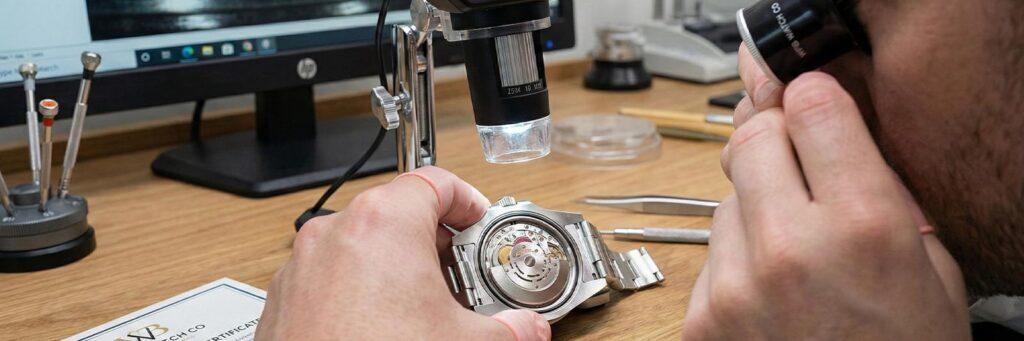
Most appraisals begin with visual examination of the watch’s overall condition, checking for authenticity markers, and verifying serial and reference numbers. The appraiser will examine the case for wear, the dial for damage or refinishing, the crystal for scratches or cracks, and the bracelet for stretch or damage. They’ll likely use magnification to inspect fine details and may photograph various aspects of your watch for documentation.
If appropriate for the appraisal type, the appraiser may reopen the case to examine the movement, verify that it matches the model specifications, check for service marks, and assess the overall movement condition. Not all appraisals require opening the watch, but comprehensive evaluations for high-value pieces typically do.
The appraiser will review all documentation you’ve provided, verify information you’ve shared verbally, and ask clarifying questions about the watch’s history and condition. This conversation helps them understand the complete picture of your watch’s story and current state.
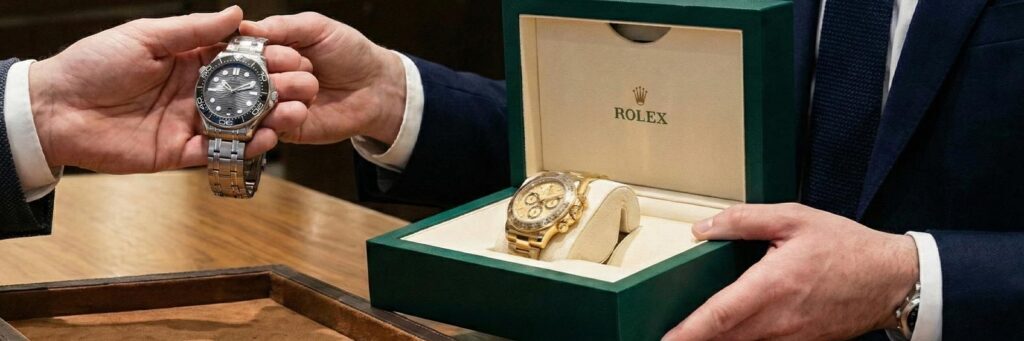
After examination, the appraiser provides either a verbal estimate or a formal written appraisal depending on your needs. Written appraisals include detailed descriptions, condition assessments, comparable sales data, and final valuations suitable for insurance, estate planning, or sale purposes. Verbal estimates give you general value ranges for informal decision-making.
Professional appraisers work transparently, explaining their reasoning and answering questions about how they arrived at their valuations. Don’t hesitate to ask about factors affecting value or request clarification on any aspect of the appraisal.
Get the Most Accurate Valuation for Your Luxury Watch
Preparing properly for your watch appraisal ensures you receive the highest possible valuation based on your timepiece’s actual condition and market value. Taking time to gather documentation, physically prepare your watch, and provide complete information demonstrates the care and respect your luxury watch deserves. Professional appraisers reward thorough preparation with comprehensive evaluations that accurately reflect your watch’s worth in today’s market.
Ready to get a professional, transparent appraisal for your luxury watch? Contact WPB Watch Co today at 561-220-9107 for expert appraisal services in West Palm Beach, Florida. Our dedicated team brings the integrity, expertise, and commitment to your satisfaction that luxury watch appraisals demand. We understand your timepiece is more than an accessory – it’s an extension of who you are and a valuable investment that deserves honest, accurate evaluation.
With our transparent approach and industry-leading same-day service, you’ll receive the comprehensive appraisal you need with the respect and professionalism you deserve. Don’t settle for rushed evaluations or uncertain valuations – reach out today and experience the difference that professional expertise and genuine commitment to your satisfaction make in luxury watch appraisals.