
Table of Contents
The counterfeit luxury watch industry has evolved dramatically, and so have the myths surrounding fake luxury timepieces. In 2026, outdated beliefs about how to spot counterfeit watches can actually make you more vulnerable to scams rather than protecting you.
Social media, online marketplaces, and even some sellers perpetuate dangerous myths that cost buyers thousands of dollars in fake purchases. Understanding which common beliefs about counterfeit watches are actually false helps you make smarter buying decisions and avoid expensive mistakes.
Whether you’re considering a pre-owned Rolex, Omega, or Patek Philippe, knowing the truth about luxury watch fakes protects your investment. Some widely believed “facts” about spotting fakes are completely wrong in today’s market, while other warning signs that seem minor actually indicate serious problems. Let’s separate fact from fiction and examine the most persistent counterfeit watch myths that put buyers at risk in 2026.
Myth #1: “If It Ticks, It’s Fake” – The Smoothness Test
One of the most persistent fake Rolex myths claims that all genuine luxury watches have perfectly smooth, sweeping seconds hands, whereas counterfeits tick noticeably. The reality is far more complex than this oversimplified rule suggests.
- Genuine Watches Can Tick: Some authentic luxury watches actually do tick once per second. Quartz models from Rolex (Oysterquartz), Omega, and other prestigious brands tick just like any battery-powered watch, and certain mechanical complications, such as deadbeat seconds, are designed to tick rather than sweep.
- Counterfeiters Replicate Smooth Sweeps: Modern high-end fakes now use automatic movements that sweep just as smoothly as genuine watches, making this test completely unreliable for authentication. Relying on the sweep test alone can lead you to reject genuine quartz luxury watches while accepting sophisticated mechanical fakes.
- Movement Tells Nothing Definitive: The truth is that the second-hand movement provides almost no useful authentication information. Professional authentication requires examining serial numbers, movement quality, component finishing, and dozens of other details that counterfeiters struggle to replicate correctly.
This myth persists despite being dangerously unreliable in 2026. Understanding why the smoothness test fails helps you avoid costly mistakes when evaluating luxury watches.
Myth #2: “Weight Tells You Everything” – The Heavy Watch Theory
Many people believe that genuine luxury watches always feel substantially heavier than fakes because they are made from higher-quality materials. This common watch scam myth has some truth, but fails as a reliable authentication method.
Counterfeiters have learned that buyers check weight, so they’ve adapted. Modern high-quality fakes often use the same materials as genuine watches – stainless steel, gold plating over brass, or even solid gold in super-fakes that cost thousands. These counterfeits can weigh nearly identically to authentic pieces, making weight comparison meaningless without a genuine example for reference.
Additionally, weight varies significantly between different genuine models. A ladies’ Rolex Datejust weighs far less than a men’s Submariner, and vintage watches often weigh less than modern versions of the same model. Without knowing the exact reference number and its specifications, weight alone provides no useful authentication information.
Some counterfeit watch myths suggest that if a watch “feels right” in terms of weight, it’s probably genuine. This dangerous thinking has cost buyers thousands. Professional authentication never relies on subjective feel or weight but instead examines specific, measurable details that fakes consistently get wrong.
Myth #3: “Certificates and Papers Guarantee Authenticity”
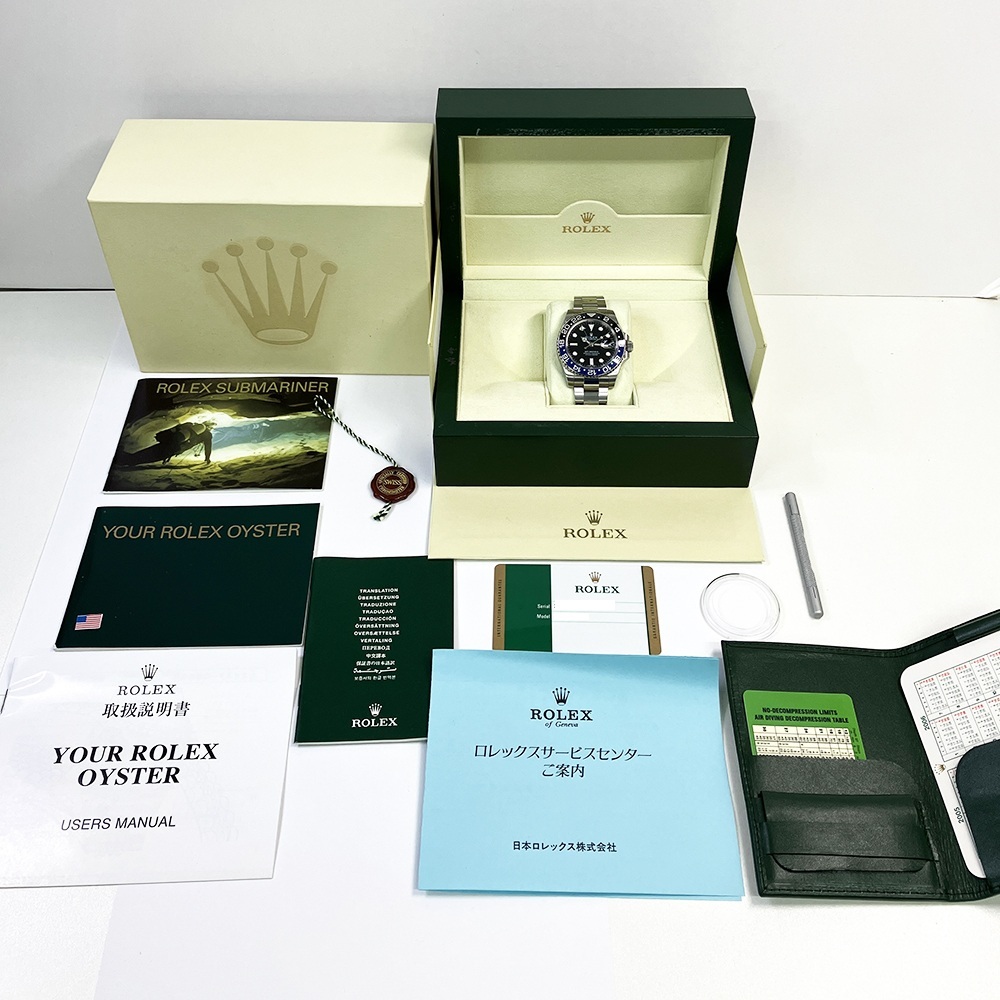
The most dangerous myth circulating in 2026 suggests that watches sold with original boxes, papers, and certificates must be authentic. Counterfeiters know buyers trust documentation, so they’ve become experts at faking it.
Here’s the disturbing reality about luxury watch fakes debunked through documentation:
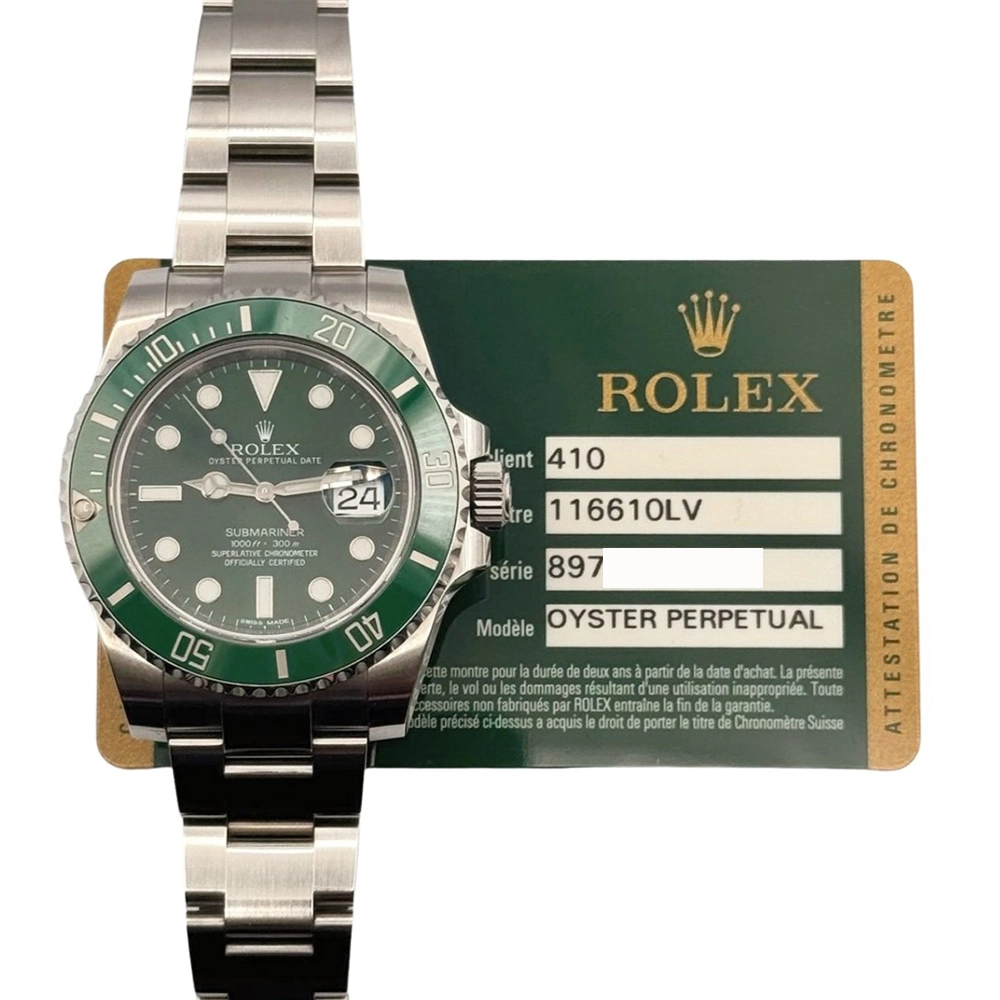
- Fake Papers Are Easy to Produce: Modern printing technology enables counterfeiters to produce convincing warranty cards, certificates of authenticity, and even serial-number documents. These papers often look perfect to untrained eyes and include correct formatting, fonts, and security features.
- Genuine Papers Paired With Fake Watches: Scammers sometimes pair genuine papers from one watch with a counterfeit watch bearing a matching serial number. They source real documentation through theft, purchasing damaged watches for parts, or other deceptive methods.
- Altered Serial Numbers: Sophisticated operations physically alter serial numbers on counterfeit watches to match genuine documentation. They engrave fake serials that pass casual inspection, making the papers appear to match the watch perfectly.
- Authentication Services Forge Stamps: Some fake watches come with forged authentication stamps or certificates from well-known authentication services. These documents look legitimate but are entirely fabricated.
The only way to verify authenticity is by examining the watch through professional authentication, which checks movement details, case construction, dial printing quality, and dozens of specific characteristics that documentation cannot verify. Papers support authentication but never replace it.
Myth #4: “You Can Spot Fakes by Price” – The Deal Test
One of the most persistent counterfeit watch myths claims that if the price seems too good to be true, the watch must be fake – and conversely, that expensive watches must be authentic. Both assumptions are dangerously wrong.
Scammers understand buyer psychology and price their fakes strategically. Super-fake watches often sell for $2,000-5,000 – high enough to seem “legitimate” but low enough to attract buyers who think they’re getting a deal on a $10,000 watch. This pricing creates the illusion of a motivated seller or estate sale bargain rather than an obvious scam.
Meanwhile, some counterfeit operations sell fakes at near-retail prices through convincing fake websites, social media accounts impersonating legitimate dealers, or even physical locations. Buyers assume that paying $8,000 for a watch that retails for $9,000 from an “authorized dealer” guarantees authenticity, but sophisticated fraud operations exploit this trust.
The reverse is also true – genuine luxury watches sometimes sell below market value in legitimate situations like estate sales, divorces, or owners in urgent need of cash. Judging authenticity by price alone leads buyers to miss real deals and fall for expensive fakes.
Professional authentication costs $100-300 but protects you from $5,000-10,000+ losses on fake purchases. The price of authentication is always cheaper than the cost of buying a counterfeit watch at any price point.
Myth #5: “Buying From Certain Platforms Guarantees Safety”
Many buyers believe that purchasing from established online platforms, social media marketplaces, or even some jewelry stores automatically protects them from counterfeits. This false sense of security has cost countless buyers their investments.
- Online Marketplaces Aren’t Foolproof: Despite authentication programs, major platforms still occasionally allow fakes through their verification processes. Scammers create elaborate seller profiles with positive reviews and professional photos, and some even ship genuine watches initially to build trust before switching to counterfeits.
- Social Media Has Become Dangerous: Fake accounts impersonate legitimate dealers using stolen photos and copied content. Instagram and Facebook “dealers” often show genuine watches they don’t actually own, then ship counterfeits after payment, and the platforms’ payment protection rarely adequately covers luxury watch transactions.
- Physical Stores Can Be Fooled Too: Even some jewelry stores and pawn shops unknowingly sell counterfeits. Staff members without specialized training in luxury watch authentication can mistake high-quality fakes for genuine pieces, then pass them to customers with complete confidence in their authenticity.
- Only Expert Authentication Protects You: Whether you’re buying online or in person, from a central platform or a private seller, independent professional verification protects your investment. Trust in platforms, reviews, or seller reputation is never a substitute for expert authentication.
The bottom line is that no platform, seller rating, or storefront guarantees authenticity in 2026’s sophisticated counterfeit market. Professional expertise remains your only reliable protection.
The Truth About Protecting Yourself From Counterfeits
Understanding these counterfeit watch myths helps you avoid common pitfalls, but positive protection requires proactive steps. Always work with reputable sellers who welcome professional authentication and provide detailed documentation. Never rush a luxury watch purchase based on urgency tactics or pressure from sellers claiming limited availability.
Professional authentication services examine every detail that matters – movement finishing, serial number characteristics, dial printing quality, case construction, and component authenticity. These experts invest years learning the specific tells that separate genuine watches from even the best counterfeits. Their expertise provides peace of mind that no online guide or DIY check can match.
Remember that counterfeiters constantly evolve their techniques. What worked to spot fakes five years ago may fail today as counterfeit quality improves. Staying informed about current scam tactics while relying on professional authentication provides the best protection for your luxury watch investment.
Protect Your Luxury Watch Investment With Expert Guidance
Navigating the counterfeit luxury watch market requires more than understanding common myths – it demands professional expertise and honest guidance from people who prioritize your protection over quick sales. Whether you’re considering a purchase or want to verify a watch you already own, expert authentication and transparent service protect both your financial investment and peace of mind.
Need professional guidance on the authenticity or evaluation of a luxury watch? Contact WPB Watch Co today at 561-220-9107 for honest, expert advice in West Palm Beach, Florida. Our dedicated team understands the sophisticated counterfeit threats buyers face in 2026 and provides the transparent, knowledgeable service you deserve.
We’re committed to integrity and honesty in every interaction, ensuring you receive accurate information about any luxury timepiece. Your satisfaction and protection are our priorities, not just completing transactions. Don’t risk thousands on a purchase without expert verification – reach out today and experience the difference that professional expertise, transparency, and genuine commitment to your wellbeing make in the luxury watch market.
Need Help with Sales or Service?